Materials Guide for OEM/ODM Leather Goods
Explore leather, hardware, linings, colors, finishes, and certifications — every material category you need to evaluate when manufacturing custom handbags, wallets, crossbody bags, and cosmetic bags. Compare options, understand trade-offs, and choose the right material combination for your brand, market, and price point.
Material Selection for Leather Goods Manufacturing
Choosing the right material shapes your product’s quality, cost, and market positioning. At Solton Leather, we provide access to 30+ material options, including full-grain leather, top-grain leather, microfiber leather, PU leather, customized finishes, and a full range of hardware and lining materials — all sourced through selected tanneries and suppliers to meet your OEM/ODM requirements.
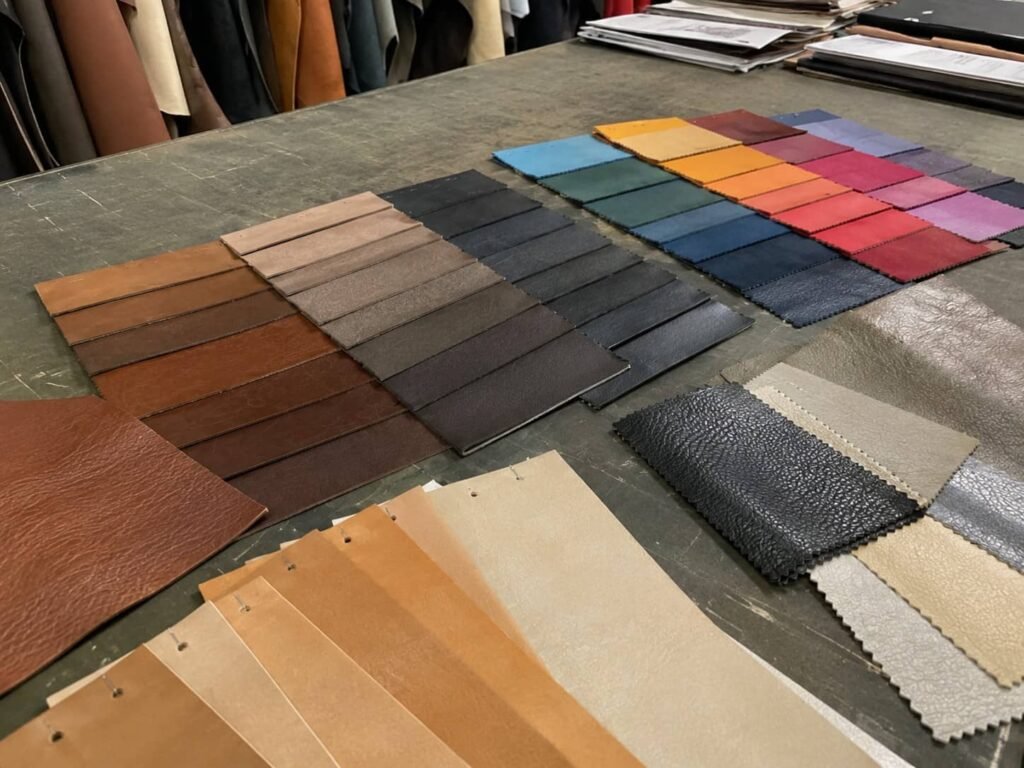
Leather Goods Materials Guide Map
Follow the decision flow — from outer material to final sampling — to systematically evaluate every material choice in your leather goods manufacturing project.
vegan, or synthetic?
microfiber, or suede?
or zinc alloy?
Stamping / Embossing?
pre-production
sample
Complete Materials Overview for Leather Goods Manufacturing
With 30+ material options — including full-grain leather, top-grain leather, genuine leather, microfiber leather, PU leather, canvas, nylon, cotton lining, polyester lining, YKK zippers, SBS zippers, custom hardware finishes, and eco-certified alternatives — we help OEM/ODM buyers navigate every material decision across all six component categories of a leather product.
How Material Selection Works
From your initial product concept to approved materials ready for bulk production — here’s the step-by-step process we follow with every OEM/ODM partner.
Which Material Is Right for Your Product?
Different markets demand different material strategies. Identify the direction that fits your brand positioning.
Explore Material Categories
Six dimensions of material selection for your OEM/ODM leather products — each page built for B2B purchase decisions.
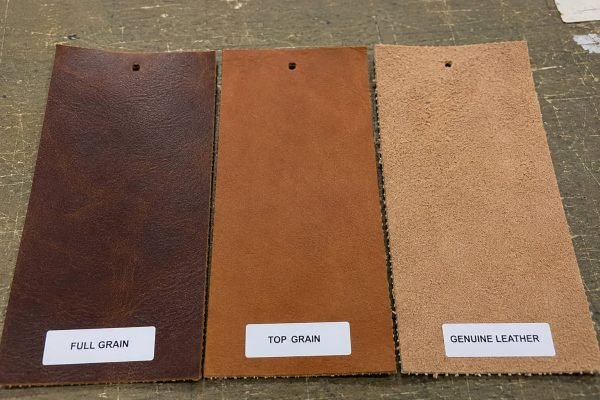
01. Leather Types & Grades
Full-grain, top-grain, split leather, bonded leather — understand the differences in quality, durability, appearance, and cost across every leather grade used in bag and accessory manufacturing.
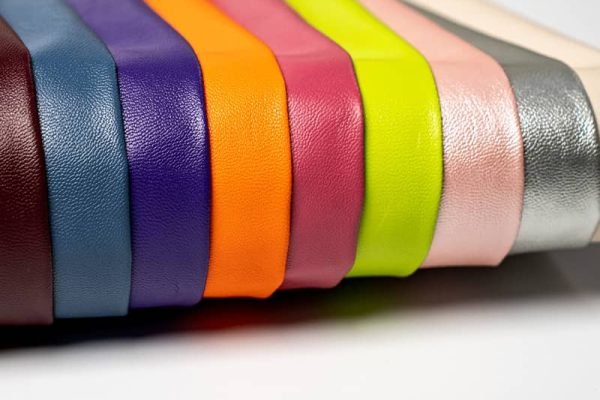
02. Vegan & Synthetic Materials
Microfiber leather, PU leather, recycled synthetic leather, and bio-based alternatives. Cruelty-free, sustainable options that meet growing consumer demand for ethical leather goods.
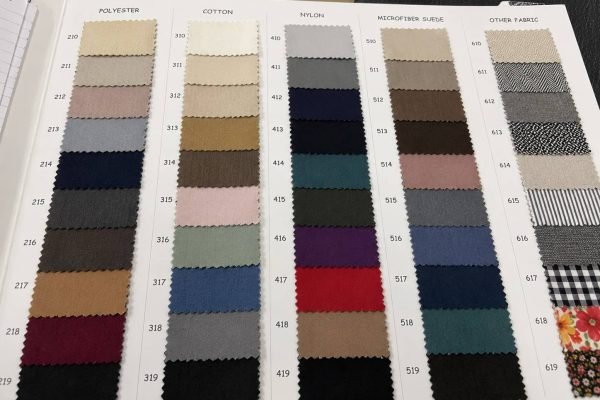
03. Lining Materials
Cotton, polyester, nylon, suede, and microfiber linings — the interior material that defines the unboxing experience and protects contents from daily wear. Lining choices also affect weight, cost, and durability.
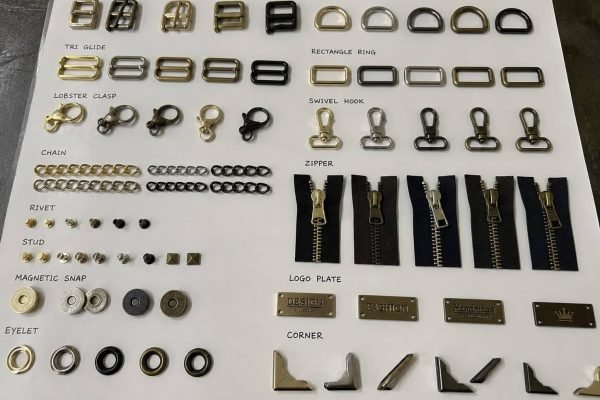
04. Hardware Materials
Zippers (YKK, SBS, custom-branded), buckles, D-rings, rivets, magnetic snaps, and logo plates in brass, zinc alloy, stainless steel, and electroplated finishes. Hardware defines durability, functionality, and brand perception.
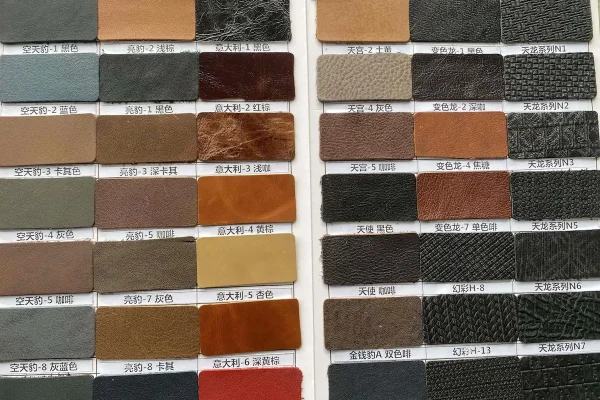
05. Colors & Finishes
Aniline, semi-aniline, pigmented finishes, embossing, metallic foils, edge painting, and Pantone color matching. Achieve consistent brand color identity across every production batch and seasonal collection.
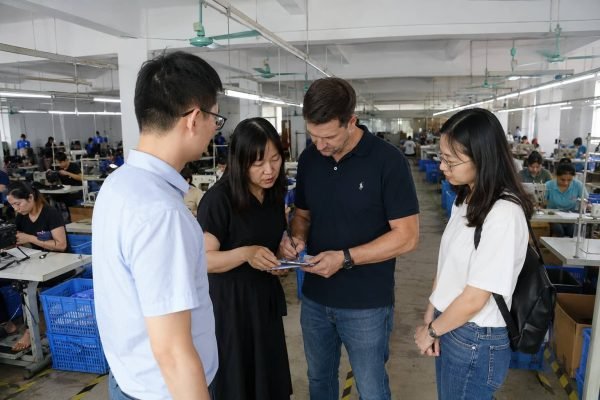
06. Sustainability & Certifications
LWG (Leather Working Group) certification, REACH compliance, OEKO-TEX Standard 100, and ISO quality management. We work with selected tanneries that provide certified leather options upon request.
Our Material Sourcing & Quality Infrastructure
As a manufacturer — not a content publisher — our materials expertise comes from real factory operations, verified supplier relationships, and documented quality control processes.
Our Material Selection Capability
A clear overview of what Solton Leather supports across the material selection process — from sourcing to quality inspection.
| Capability | Solton Support |
|---|---|
| Material Options | Full Grain, Top Grain, Split Leather, Vegetable-Tanned Leather, PU Leather, Microfiber Leather, Canvas, Nylon |
| Hide Types Available | Cowhide, Calfskin, Goatskin, Sheepskin, Buffalo, Pigskin |
| Thickness Selection | Customized by product structure — 0.8mm (small goods) to 2.2mm+ (heavy bags) |
| Color Matching | Pantone color matching available for leather, thread, edge paint, and lining |
| Texture Options | Smooth, Pebbled, Saffiano, Croc Emboss, Ostrich Emboss, Lizard, Snake, Nubuck, Suede, Patent, Metallic, Woven |
| Finish Types | Aniline, Semi-Aniline, Full Pigment, Matte, Waxed/Oiled, Patent, Metallic |
| Sample Support | Material swatch books and strike-off samples available for evaluation before bulk production |
| Quality Control | Material inspection before production — color consistency, thickness tolerance, surface defects, chemical compliance |
Recommended Materials by Product Type
Quick-reference material combinations based on real OEM/ODM projects we’ve delivered. Use this as a starting point for your own material specification.
| PRODUCT | OUTER MATERIAL | LINING | HARDWARE | FINISH |
|---|---|---|---|---|
| Tote Bag | Full-Grain Cowhide | Cotton Twill | YKK ZipperBrass Buckle | Semi-Aniline |
| Cosmetic Bag | Microfiber Leather | Nylon (Water-Resistant) | YKK Zipper | Matte Pigmented |
| Wallet | Full-Grain Cowhide | Goat Leather Lining | Custom Logo Snap | Aniline |
| Crossbody Bag | Top-Grain Leather | Polyester (Durable) | YKK ZipperZinc Alloy D-Ring | Pigmented |
| Backpack | Canvas + Leather Trim | Cotton Canvas | YKK ZipperStainless Steel Buckle | Matte Pigmented |
| Premium Handbag | Full-Grain Cowhide | Microfiber Suede | YKK Excella ZipperBrass Logo Plate | Aniline |
These are starting-point recommendations. Every project is unique — contact us for a customized material consultation specific to your brand, market, and price point.
Continue Your OEM/ODM Journey
Explore our services and product lines to understand the full scope of what we manufacture.
End-to-end custom manufacturing for
leather goods – from design concept
to container delivery.
Step-by-step overview of how we takeyour design from sample approval tobulk production.
Our material inspection, in-line QC,and final audit process for consistentproduct quality.
Deep dive into full-grain, top-grain,and every leather grade used in bagmanufacturing.
Private label handbag manufacturingwith your choice of leather, lining, andhardware.
Custom crossbody bag manufacturing with full material and finishcustomization.
Private label wallet production with fullmaterial, color, and branding options.
Bespoke cosmetic bag manufacturingfor beauty, skincare, and lifestylebrands.
Frequently Asked Questions About Leather Goods Materials
Covering leather, hardware, lining, colors, and compliance — the complete material picture.
What's the difference between Full Grain and Top Grain leather?
Full grain leather preserves the natural grain surface with minimal surface correction. — it’s the strongest and most breathable grade, and with proper care it develops a rich patina and remains durable for many years. Top grain leather is lightly sanded to remove surface imperfections, then finished with a protective coating.
Can I customize hardware color and finish for my brand?
Yes, hardware customization is a core part of our OEM/ODM service. You can specify: (1) Base material — brass, zinc alloy, stainless steel, or iron; (2) Electroplated finish — gold, silver, rose gold, gunmetal, matte black, antique brass, or custom color; (3) Logo engraving — custom-branded zipper pulls, logo plates, magnetic snaps, and rivets. We provide hardware finish swatches and can match existing brand hardware specifications. MOQ for custom hardware finishes typically mirrors the product MOQ (100–300 units).
Can I use YKK zippers for my products?
Yes, YKK zippers are used in our production. We use YKK zipper for premium OEM/ODM projects, with options across their full product range: metal zippers (for premium bags and wallets), coil zippers (for lightweight applications), and Vislon zippers (for durability in travel goods). We also offer SBS zippers as a cost-effective alternative for mid-market products. If your brand requires a specific zipper type, color, or custom puller design, we can source it from YKK or your preferred supplier.
Can lining color match the leather exterior?
Yes, we provide coordinated color matching between lining and leather.
Which lining material is best for water resistance?
For products requiring water resistance — such as cosmetic bags, toiletry bags, and travel accessories — we recommend: (1) Nylon lining — naturally water-resistant, lightweight, and easy to clean; most popular for functional bags; (2) Water-resistant polyester — coated polyester with moisture-barrier properties; (3) PU-coated cotton — cotton fabric with a clear PU coating for a natural look with water protection. Standard cotton or microfiber linings without treatment are not water-resistant and are better suited for handbags and wallets where moisture exposure is minimal.
What's the MOQ for custom materials and colors?
Standard materials from our supplier typically have no additional MOQ beyond the product MOQ (100–300 units per design, depending on product complexity). For custom-developed materials — custom color dye lots, custom-embossed textures, specialty hardware finishes — the supplier may require a minimum hide or component order. We communicate any custom-material MOQs upfront during quoting so you can make informed decisions.
What leather is best for private label handbags?
For private label handbags, we typically recommend Top Grain cowhide with a semi-aniline finish — it offers the best balance of quality appearance, durability. For luxury private label, full-grain calfskin or goatskin creates a premium hand-feel that discerning customers recognize immediately. For affordable fashion lines , PU or microfiber leather provides excellent color consistency and lower MOQ flexibility.
Can I order material samples before bulk production?
Yes — and we strongly recommend it. We provide material swatch books (showing our full leather and color range) and strike-off samples (your selected material in your specific color, texture, and finish) before you commit to bulk production.
Do you offer Pantone color matching across all material types?
Yes. We provide Pantone color matching across leather, lining fabric, stitching thread, and edge paint — ensuring brand color consistency.
Get Your Material Recommendation
Tell us about your product idea, target market, and budget — our material specialists will recommend the best leather type, thickness, and finish combination. Response within 24 hours. Free consultation, no obligation.