Leather Materials for Bag Manufacturing
Explore leather categories, compare textures and grades, and find the right material for your product. A complete OEM material selection system — from first look to final production.
Leather Categories
Build your material map. Five core leather types — each with a distinct identity, quality level, and application range.
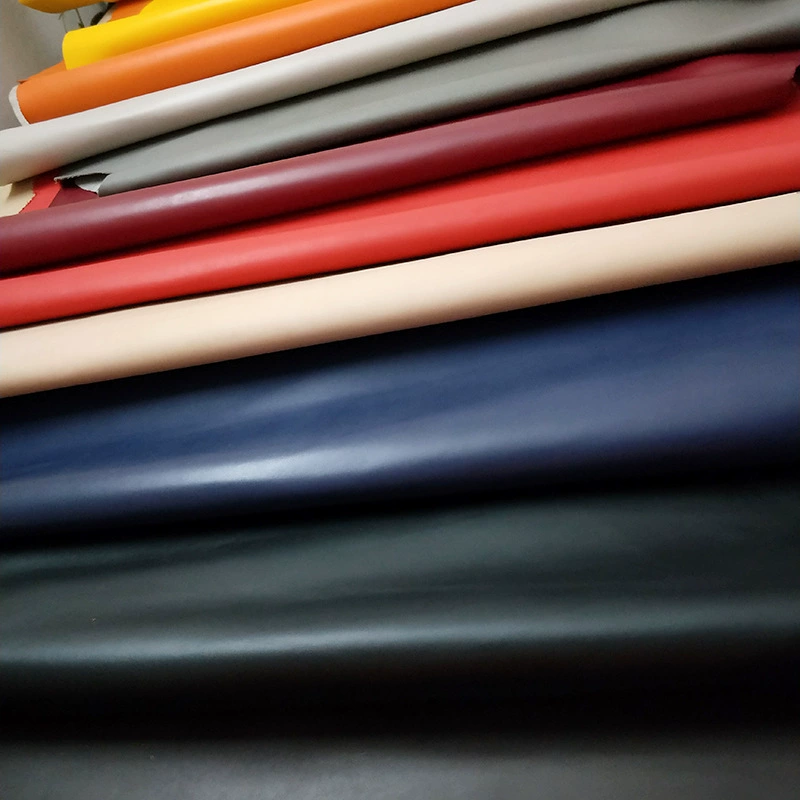
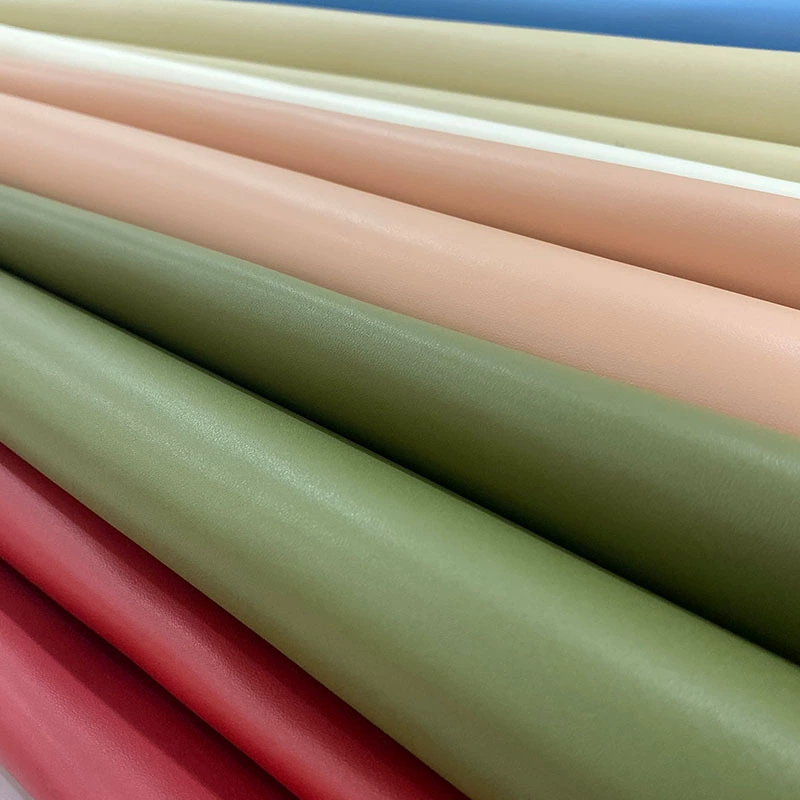
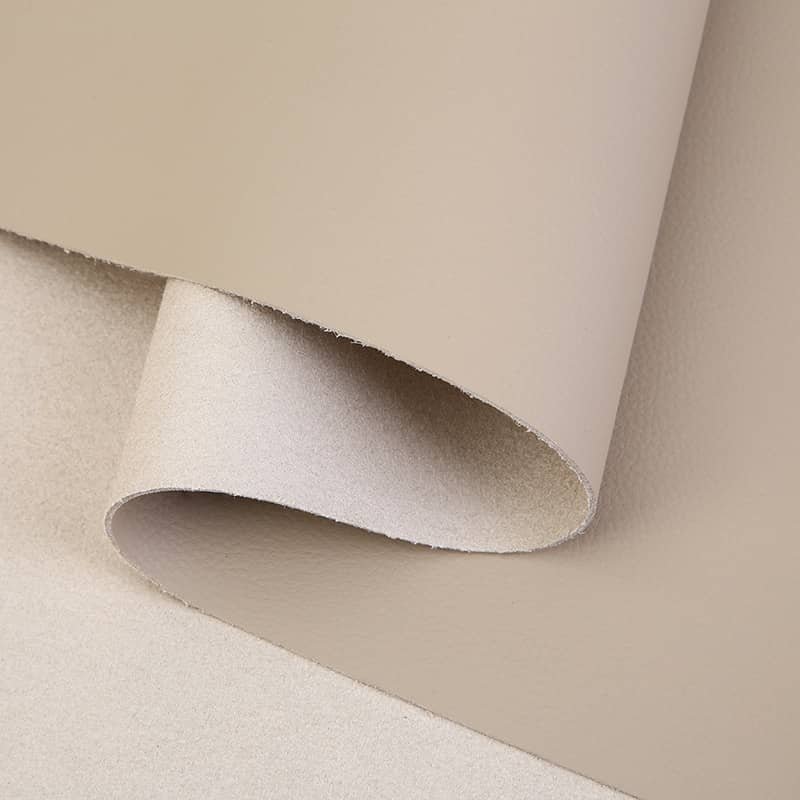
Microfiber Leather
Premium Vegan Alternative
★★★★
Animal-Free Consistent Cost Effective
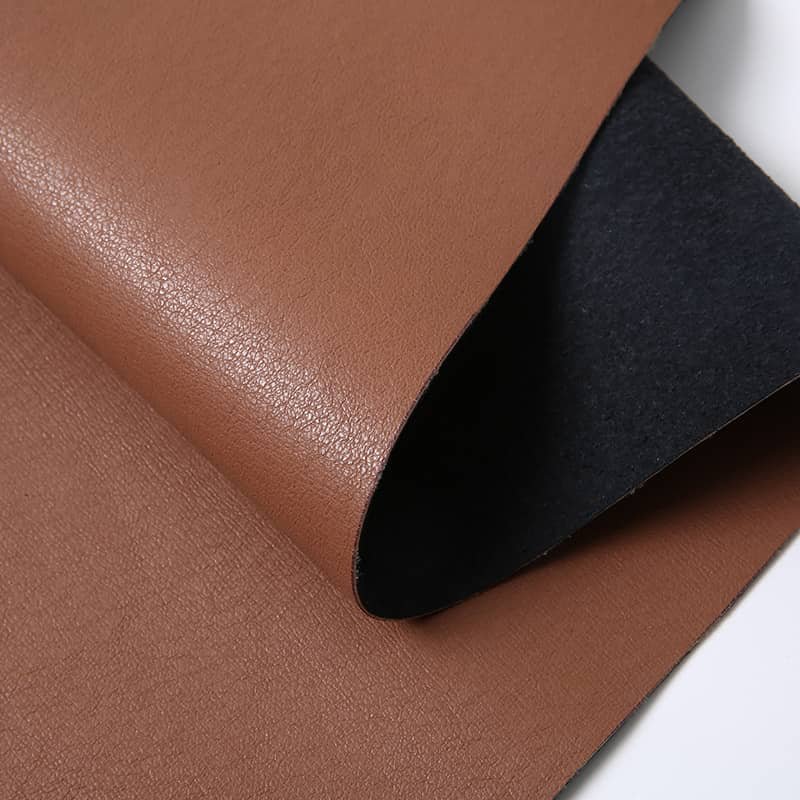
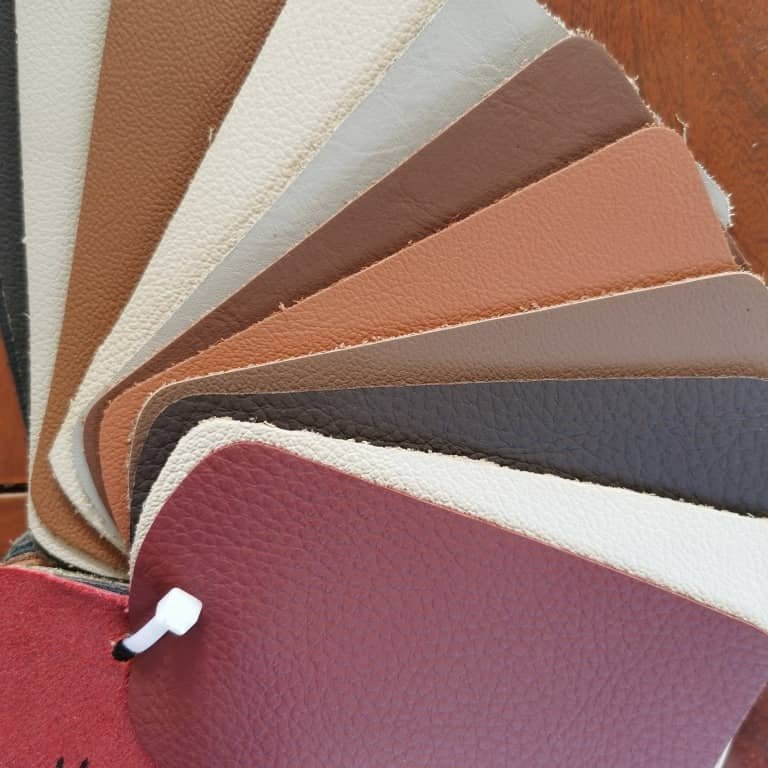
Leather Texture Gallery
See the actual surface. Each texture creates a completely different visual identity for your bag — choose the one that matches your brand aesthetic.
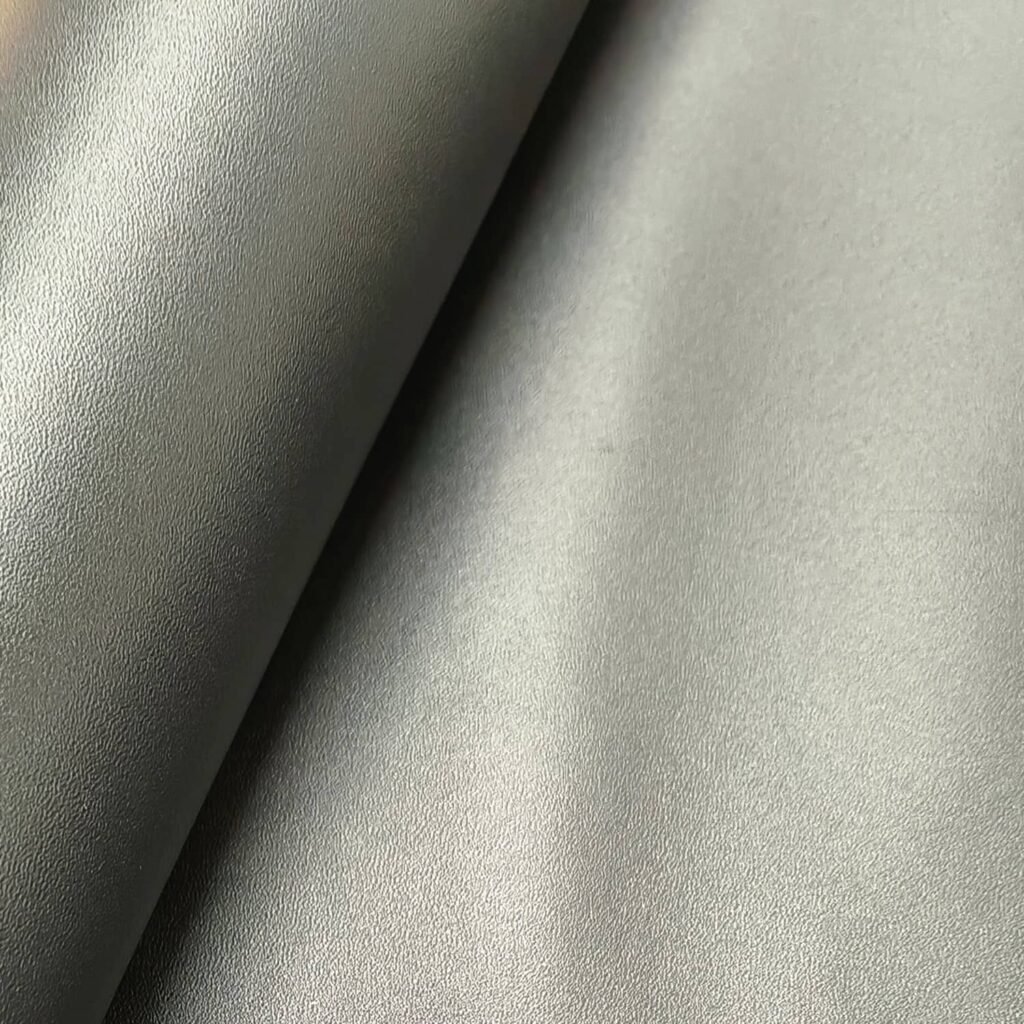
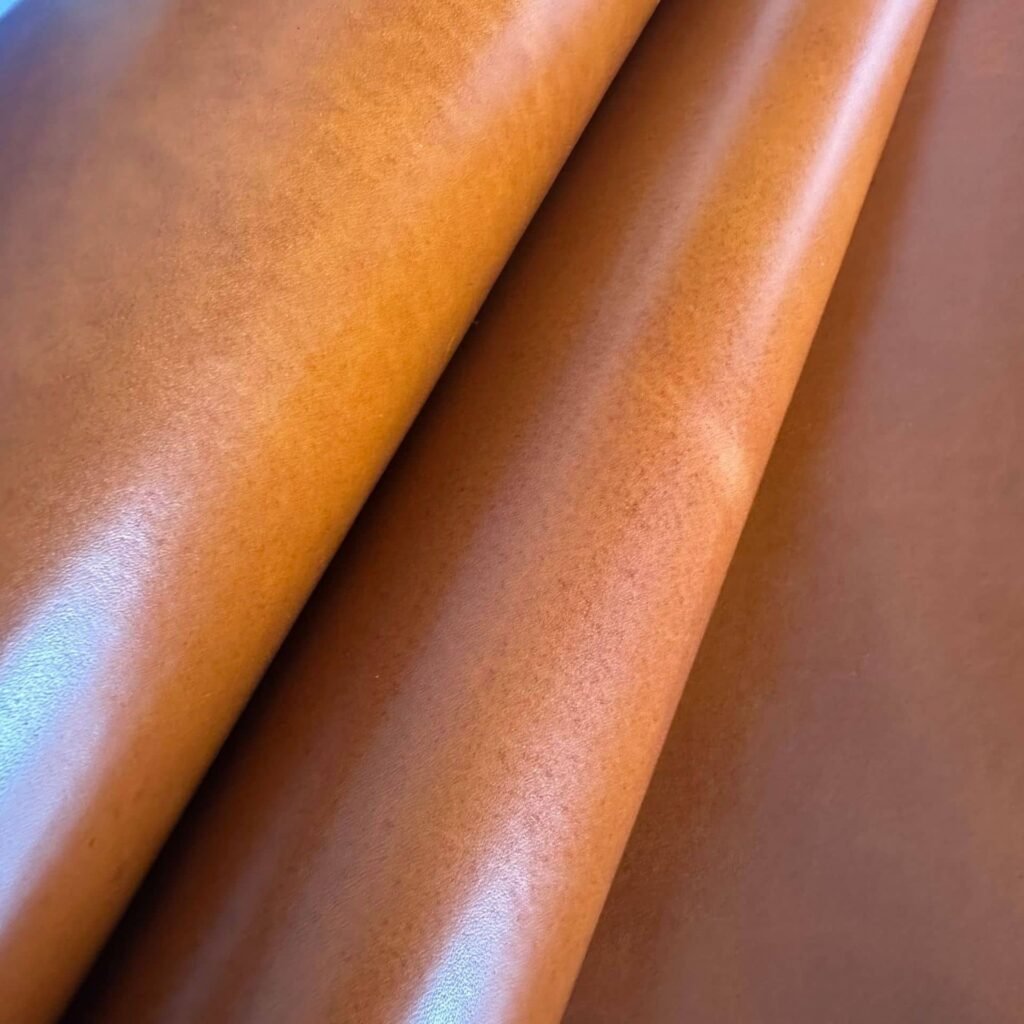
Smooth Texture
Clean appearance, luxury feeling. The most versatile and widely used surface for commercial bag production.
Best For
Luxury handbags, business bags, structured totes
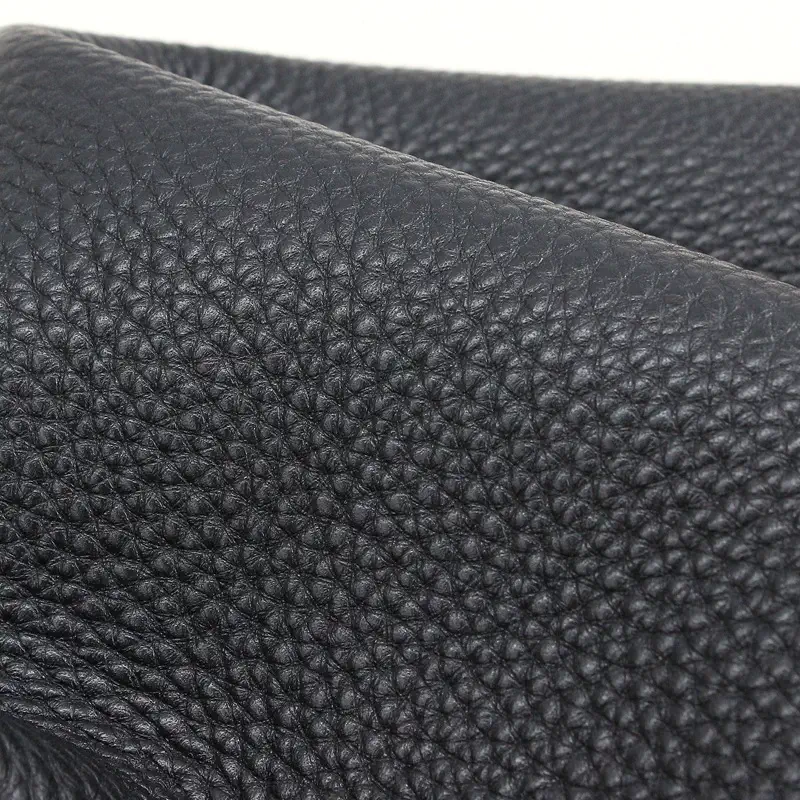
Pebbled Texture
Casual, durable. Natural-looking irregular grain — hides wear and develops relaxed character over time.
Best For
Travel bags, casual totes, everyday backpacks
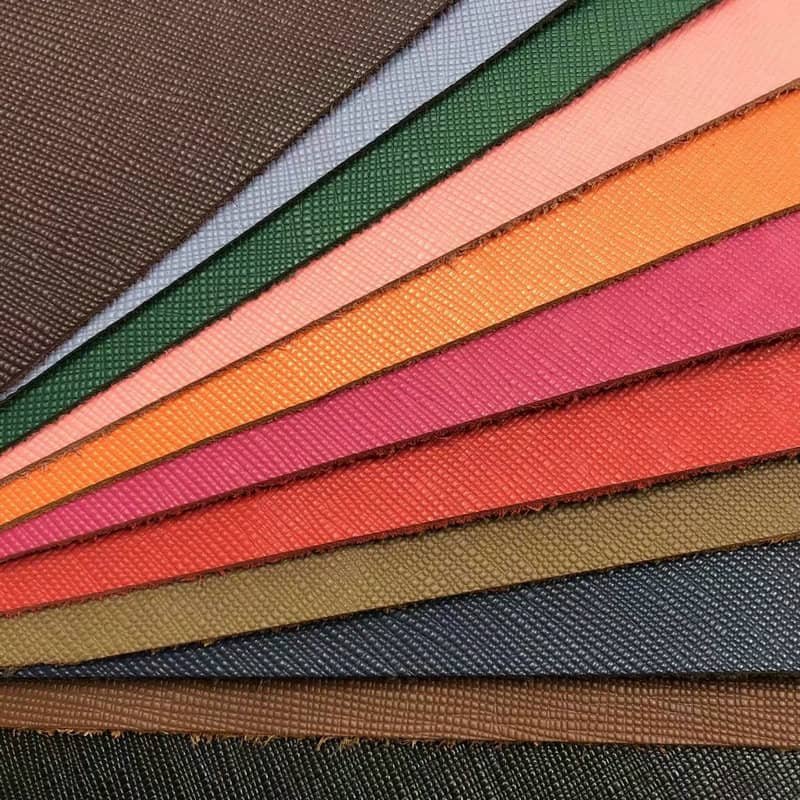
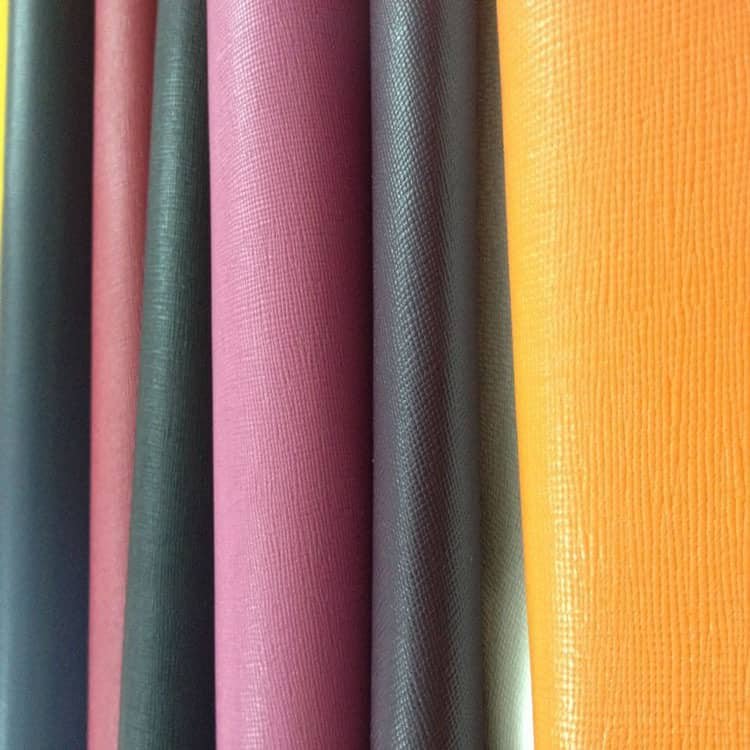
Saffiano Texture
Structured, fashion-forward. The designer-brand texture — instantly recognizable and premium-looking.
Best For
Designer bags, fashion collections, statement pieces
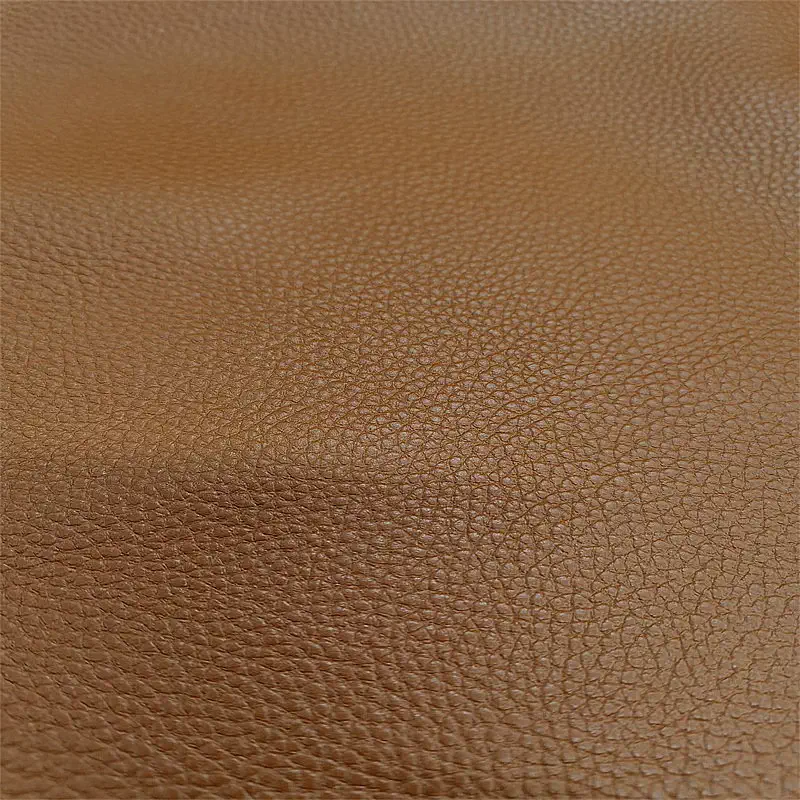
Litchi Grain Texture
Scratch resistant, easy maintenance. The most practical texture for daily-use consumer bags.
Best For
Daily handbags, crossbody bags, mass production
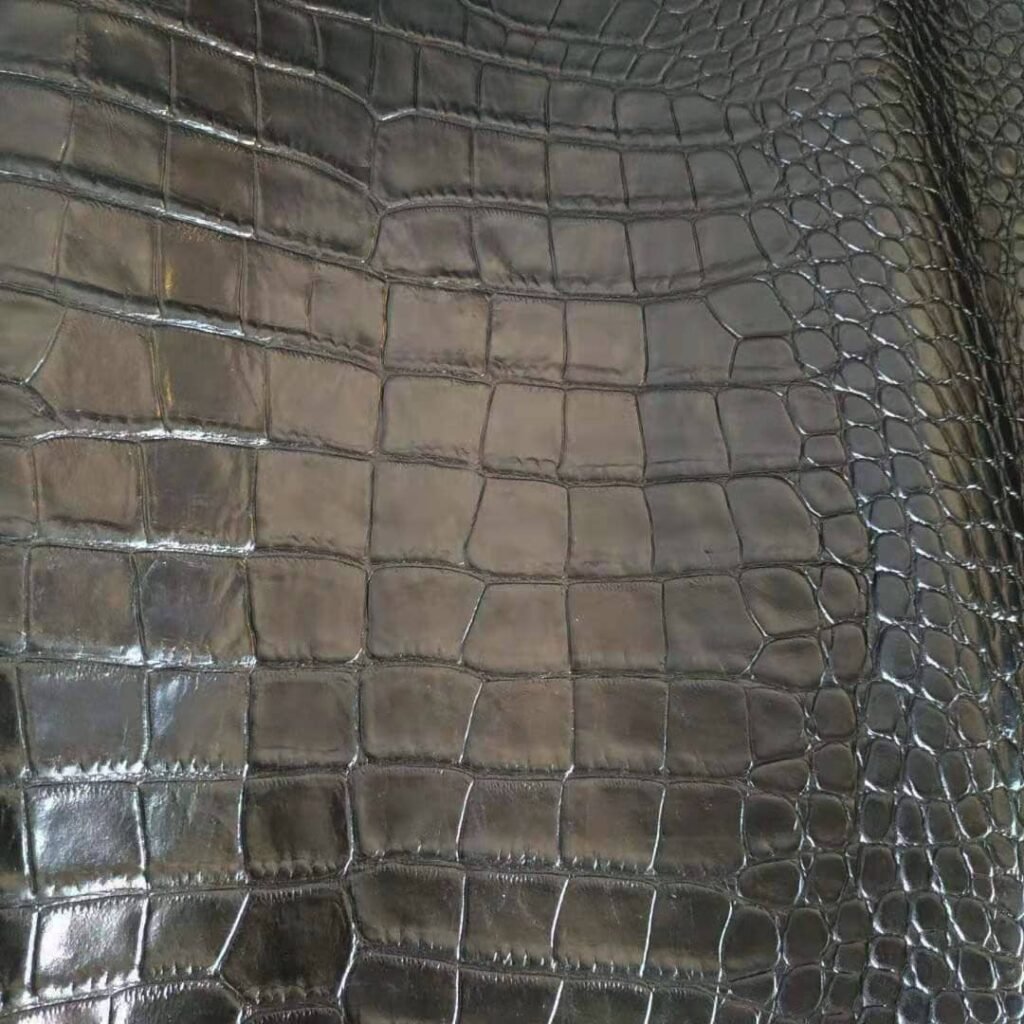
Crocodile Embossed
Luxury appearance. Exotic aesthetic at accessible price.
Best For
Premium fashion bags · Statement accessories
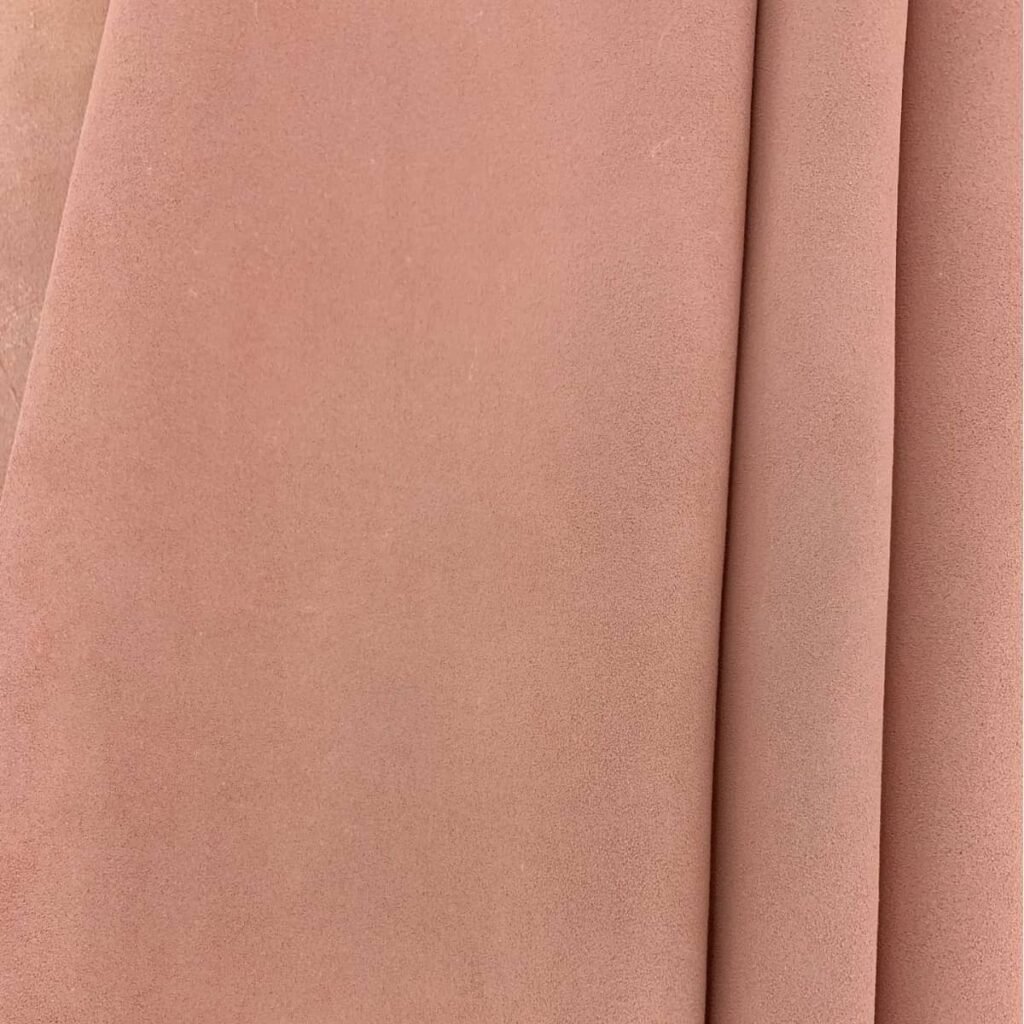
Suede
Soft-touch finish. Warm, tactile, premium interior feel, textured surface with casual appeal.
Best For
Bag linings · Interior pockets · Accent panels
Leather Grade Comparison
Full Grain vs Top Grain vs Microfiber vs PU — a direct comparison across the dimensions that matter for OEM purchasing decisions.
| MATERIAL | APPEARANCE | DURABILITY | PRICE LEVEL | BATCH CONSISTENCY | VEGAN | PATINA | BEST FOR |
|---|---|---|---|---|---|---|---|
| Full Grain Leather | Natural grain — unique markings, authentic character | ★★★★★ | ●●●●● | Moderate — natural variation between hides | X | ✓ Develops deep patina | Luxury handbags |
| Top Grain Leather | Smooth & consistent — uniform finish, professional | ★★★★ | ●●●●● | Excellent — perfect batch-to-batch matching | X | X Protective coating | Private label brands |
| Microfiber Leather | Leather-like — nearly indistinguishable premium synthetic | ★★★★ | ●●●●● | Perfect — identical every batch | ✓ | X Synthetic surface | Vegan products |
| PU Leather | Various textures — unlimited colors & embossing options | ★★ | ●●●●● | Perfect — mass production consistency | ✓ | X Limited lifespan | Fashion bags |
Full Grain Leather — In-Depth Guide
What Is Full Grain Leather?
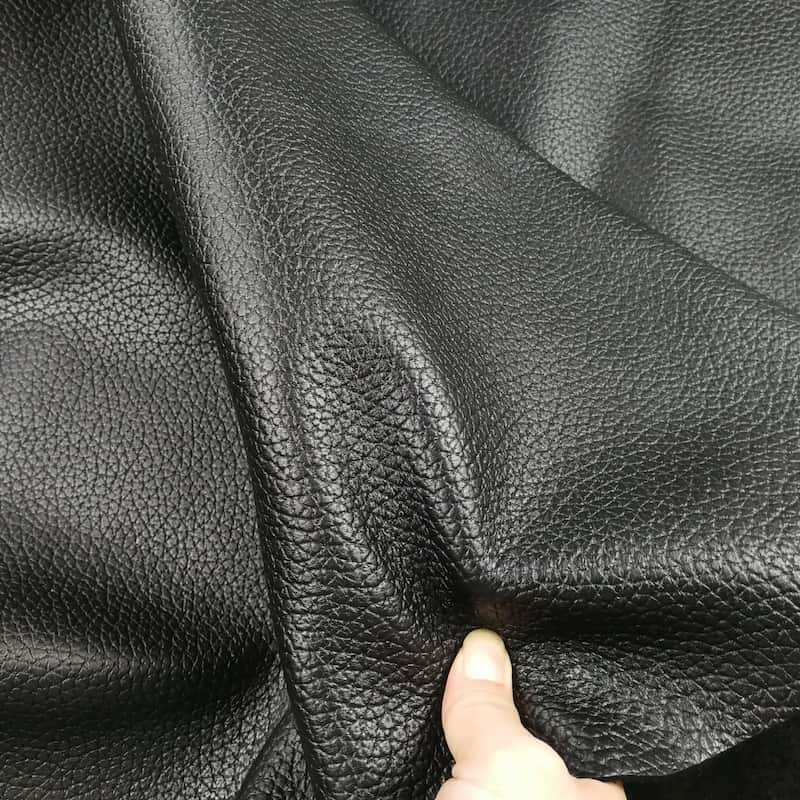
Full grain leather comes from the outermost layer of the animal hide. The natural grain surface is preserved with minimal correction — pores, grain patterns, and subtle markings remain intact. It retains the hide’s complete fiber structure, which contributes to its strength and breathability.
Why Brands Choose Full Grain
- Natural Character — Every piece is subtly unique. For heritage and luxury brands, this individuality is part of the product’s appeal and brand story.
- Develops a Patina — With proper care, full-grain leather absorbs oils from handling and environmental exposure, developing a warm, rich character over time.
- Breathable Structure — The intact natural pore structure allows air circulation — particularly valued for wallets and bags worn close to the body.
- Long-Wearing — The preserved fiber structure contributes to long-term durability when the leather is properly maintained.
Best OEM/ODM Applications
- Luxury handbags and totes — explore our handbag OEM services
- Premium wallets and card holders — see wallet manufacturing options
- High-end briefcases and backpacks
- Corporate and executive accessories
- Heritage and artisan brand lines
Sourcing Considerations
- Higher raw material cost than corrected or coated options — plan pricing accordingly
- Yield efficiency: ~70–80% — natural markings increase cutting waste; pattern layout is important for cost control
- Available in vegetable-tanned (patina development, sustainability positioning) and chrome-tanned (softer, faster production)
- We can provide LWG-certified leather options through selected tannery partners upon request
Top Grain Leather — In-Depth Guide
What Is Top Grain Leather?
Top grain leather comes from the same outer layer as full grain, but receives light surface correction (sanding) to reduce visible imperfections, followed by a protective finish coating. This creates a smooth, uniform appearance that performs consistently across production runs.
Why Brands Choose Top Grain
- Better Consistency for E-Commerce — The corrected surface means every piece looks the same — no unexpected natural markings. Product photos match what customers receive, reducing returns and complaints.
- Easier Production Control — Uniform material means predictable cutting, stitching, and finishing. Less time spent working around defects, more consistent output.
- More Predictable Costing — Higher yield efficiency (~85–90%) and excellent batch-to-batch color matching reduce material waste and QC overhead.
- Premium Look at Lower Cost — Delivers a refined appearance at a more accessible material cost than full grain equivalents, making it the most popular choice for brands in the mid-to-premium retail segment seeking predictable production economics.
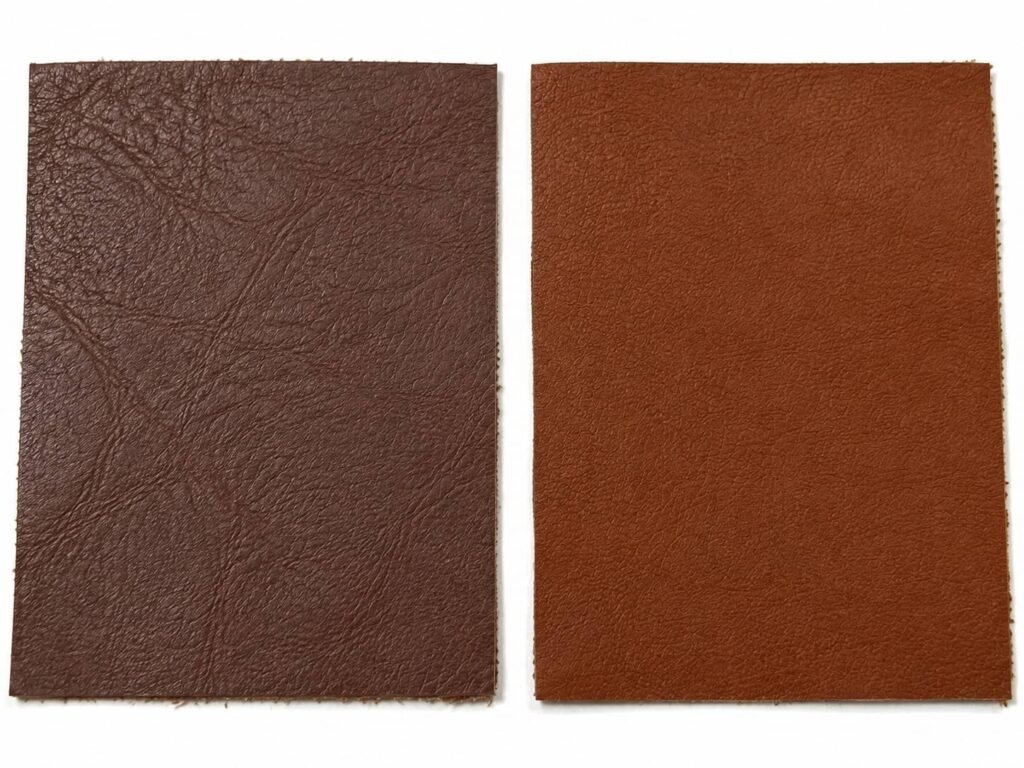
Full Grain (L) — natural character vs. Top Grain (R) — uniform finish
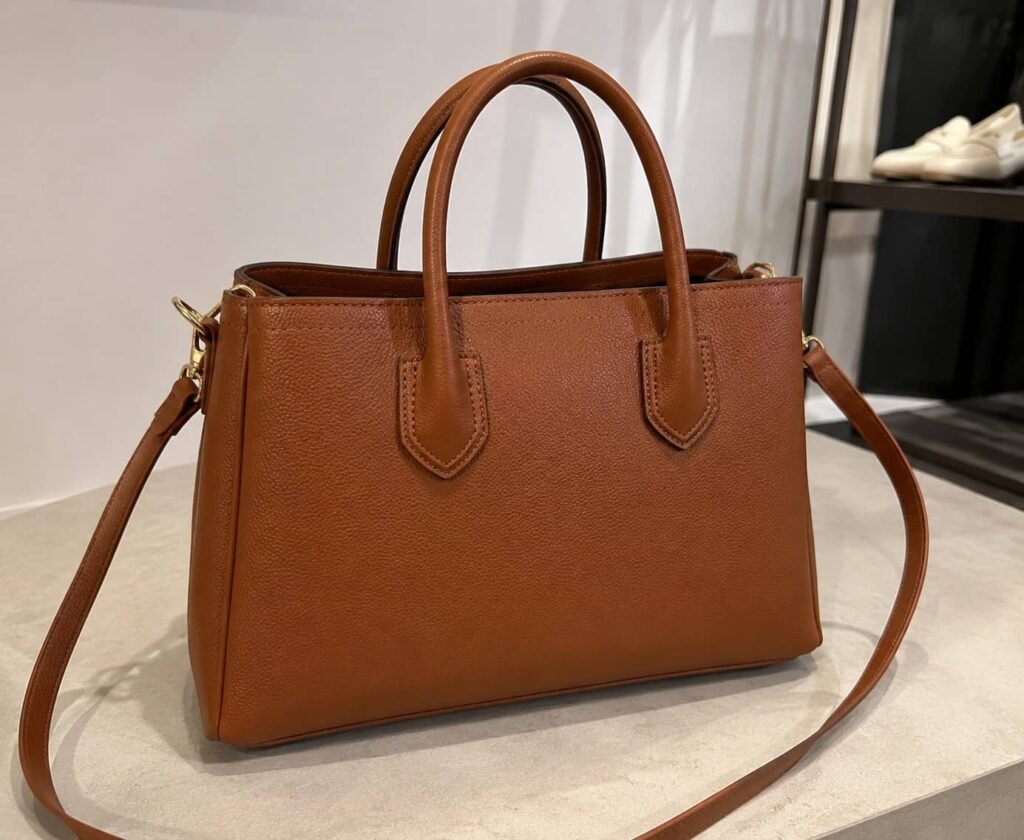
Top grain leather bag — smooth, consistent appearance
Best OEM/ODM Applications
- Fashion handbags and satchels — see our crossbody bag OEM
- Office bags and laptop briefcases
- Wallets and card holders (fashion segment)
- Belts, watch straps, small accessories
Sourcing Considerations
- Typically more cost-efficient than full grain leather
- Yield efficiency: ~85–90%
- Most popular choice for OEM clients in the mid-to-premium segment
- Available in semi-aniline or full-pigment finishes
Understanding "Genuine Leather" (Buyer Beware)
“Genuine leather” is a broad commercial term with no universal technical definition. Depending on the supplier, it may refer to corrected grain leather, split leather with surface finishing, or coated split leather with an embossed pattern. Always request a material specification sheet detailing grade, hide type, thickness, and finish method — never assess quality based on the term “genuine leather” alone.
What "Genuine Leather" Typically Refers To
When a hide is split into layers, the top becomes full-grain or top-grain leather. The remaining lower layers — often marketed commercially as “genuine leather” — may be sanded, embossed with an artificial grain, and coated with polyurethane to create a finished appearance. These products are animal-derived, but the material properties differ from full-grain or top-grain options.
5 Questions to Ask Your Supplier
- 1. What is the specific leather grade? — Corrected grain? Split leather? Coated split?
- 2. What is the hide type? — Cowhide, buffalo, pigskin, or other?
- 3. What is the thickness in millimeters? — Not qualitative terms like “standard” or “premium”
- 4. What is the finish method? — Aniline, semi-aniline, pigmented, or PU-coated?
- 5. How does it perform under normal use? — Expected wear characteristics and care requirements
When It May Be Appropriate
- Entry-level products with tight retail price constraints
- Non-structural bag panels with lower durability demands
- Promotional or corporate giveaway items
The key is transparency. Understanding exactly what you’re buying — and being honest with your customers — protects your brand.
Microfiber Leather — In-Depth Guide
What Is Microfiber Leather?
Microfiber leather is a high-grade synthetic made from ultra-fine polyester and polyurethane fibers, engineered to replicate the hand-feel and durability of top-grain leather. It offers perfect surface consistency, lighter weight, and vegan positioning — increasingly chosen by mid-to-premium brands as a leather alternative.
Why Brands Choose Microfiber
- Premium Synthetic Feel — Closer to real leather in hand than standard PU, with better flex resistance and abrasion performance
- Perfect Consistency — Every piece identical, every batch repeatable — critical for e-commerce brands where product photos must match delivered goods
- Vegan Positioning — Zero animal content, supports vegan brand certification for your product line. PVC-free options available for EU market compliance
- Lighter Weight — Typically lighter than equivalent real leather, which can reduce per-unit shipping costs and final product weight
- Color Stability — Resistant to UV fading and color migration — important for brands selling in sunny markets or with long shelf-life requirements
Microfiber vs. Top Grain Leather: Quick Comparison
| Dimension | Microfiber Leather | Top Grain Leather |
|---|---|---|
| Material Type | Synthetic (polyester + PU) | Natural leather (animal hide) |
| Surface Consistency | Perfect — every piece identical | Very good — light correction, some variation |
| Animal-Free | ✓Yes — vegan certifiable | ✕No — animal-derived |
| Durability | Good flex and abrasion resistance | Very good — protective coating |
| Patina Development | ✕Does not age | ✕Coating prevents natural aging |
| Weight | Lighter | Heavier — natural density |
| Cost Positioning | Mid-to-Premium synthetic | Mid-to-Premium natural leather |
| Best For | Vegan collections, color-critical products | Traditional leather positioning, fashion brands |
Best OEM/ODM Applications
- Vegan-certified handbag and wallet collections — see our handbag OEM services
- Mid-to-premium accessories with animal-free positioning
- Products requiring precise color matching across large production batches
- Brands targeting markets with strict animal-product import regulations
PU Leather — In-Depth Guide
What Is PU Leather?
PU (polyurethane) leather is a synthetic made by coating a fabric backing with polyurethane. It contains no animal products. It is the most widely used synthetic leather in the fashion accessories industry, valued for its cost-effectiveness and unlimited color range.
Key Properties
- Perfect consistency — no natural variation, every piece identical
- Unlimited color matching — any Pantone shade achievable
- Water-resistant by nature — no additional treatment needed
- Lighter weight than real leather — reduces shipping costs
- Yield efficiency: ~95–98% — minimal cutting waste, predictable costing
Best OEM/ODM Applications
- Fashion mass-market bags and accessories
- High-volume production where color consistency is critical
- Promotional and corporate merchandise
Use “synthetic leather” or “PU leather” rather than “vegan leather” unless the material is certified plant-based. Some EU countries are tightening environmental marketing claim regulations. PVC-free PU options are available for enhanced compliance.
Plant-Based Leather Alternatives
Plant-based materials — such as cactus (Desserto), mushroom (Mylo), apple, and pineapple (Piñatex) based composites — are an emerging category. These materials use plant fibers combined with binders (often PU or bio-PU). Available upon request for OEM/ODM projects, typically with higher MOQ requirements and longer lead times.
- Strong sustainability marketing appeal for niche and eco-positioned brands
- Higher material cost, more limited color range compared to PU or microfiber
- Verify actual plant content percentage and binder type before making consumer-facing claims
- Request third-party certification documentation for any environmental marketing claims
Hide Types: Choose Based on Product Function
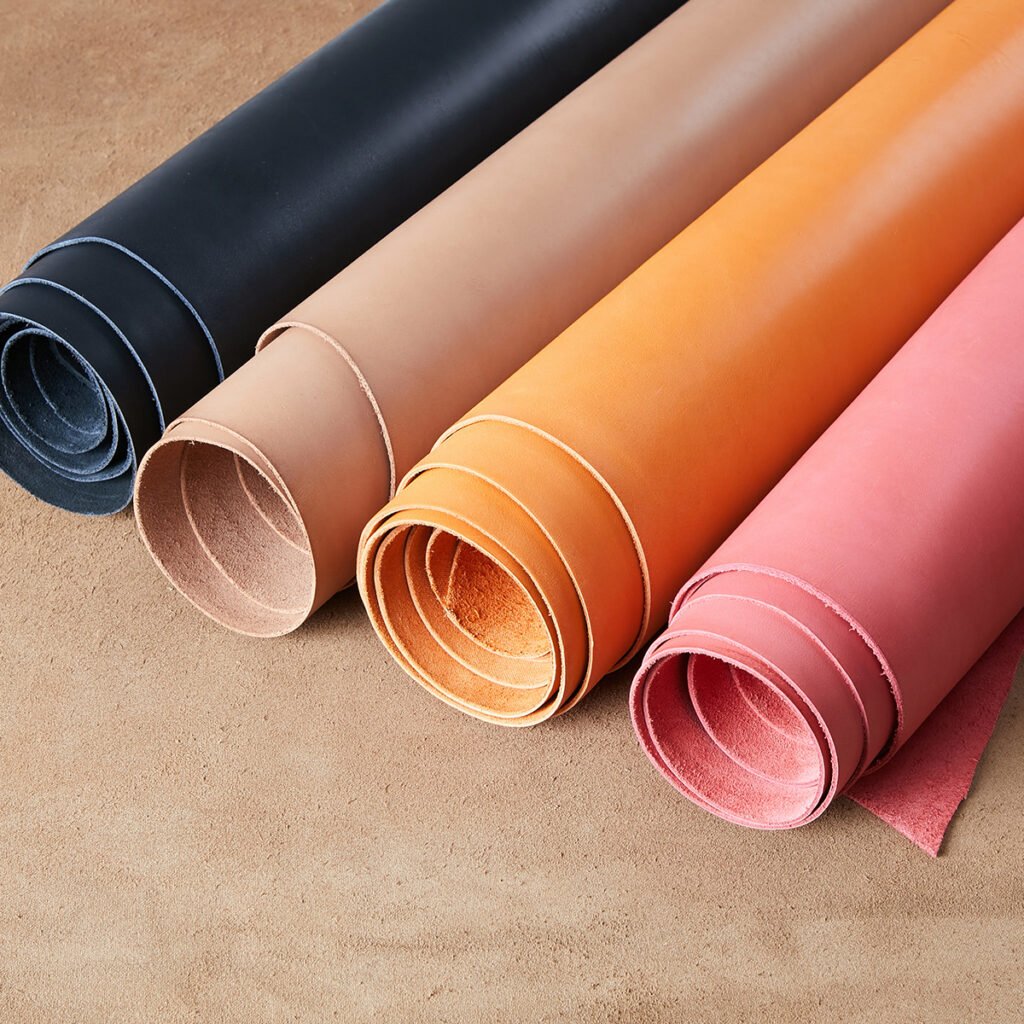
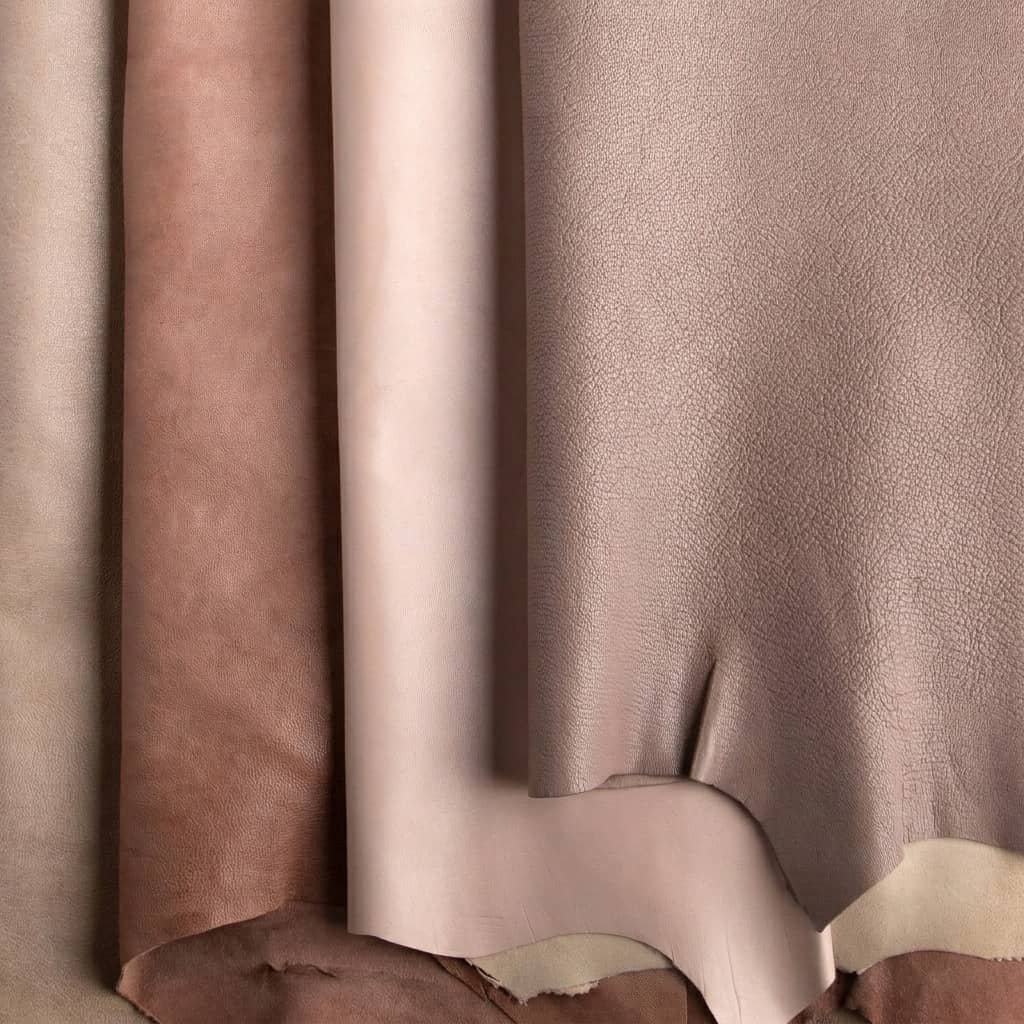
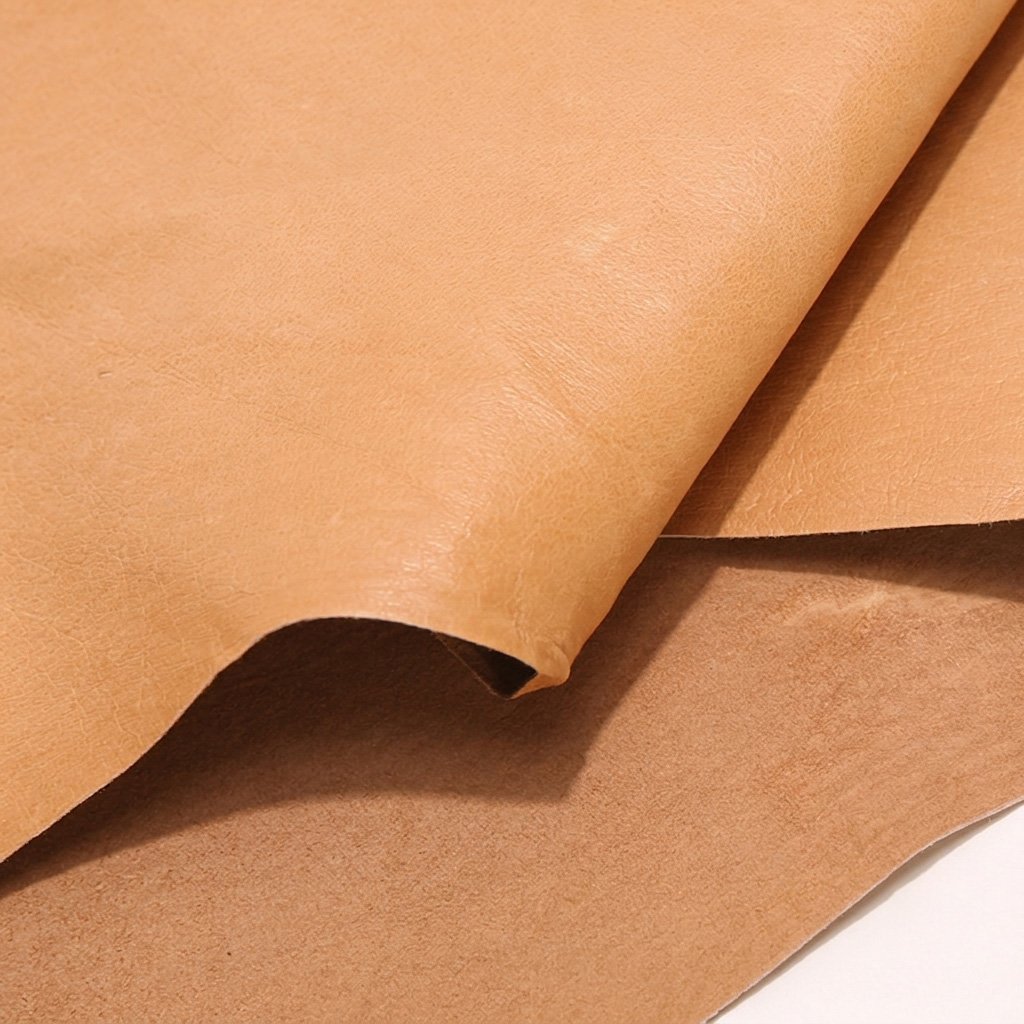
| Hide Type | Thickness | Key Characteristics | Recommended Products |
|---|---|---|---|
| Cowhide | 1.4–2.0mm | Strong grain, widely available, excellent durability | Handbags, backpacks, belts — everyday goods |
| Calfskin | 0.8–1.2mm | Fine grain, soft hand-feel, premium texture | Luxury wallets, premium small leather goods |
| Goatskin | 0.8–1.2mm | Supple, natural pebble, lightweight | Soft wallets, lightweight accessories, gloves |
| Sheepskin | 0.7–1.0mm | Softest, excellent drape | Soft fashion bags, linings, luxury accessories |
| Buffalo | 2.0mm+ | Distinct grain, high abrasion resistance | Heavy-duty bags, rugged accessories |
| Pigskin | 1.0–1.3mm | Porous, breathable, cost-effective | Linings, casual goods, budget-friendly products |
Tanning Methods & How They Affect Your Product
🌿 Vegetable-Tanned
- Uses natural plant tannins
- Firmer hand, softens with use
- Natural earth tones: browns, tans
- Develops rich patina over time
- Production: 4–8 weeks
- Strong eco-positioning potential
- Best: premium wallets, belts, heritage bags
⚗️ Chrome-Tanned
- Uses chromium salts (Cr III)
- Soft, flexible from day one
- Any color — vibrant and consistent
- No patina development
- Production: 2–4 weeks
- REACH compliance: Cr VI <3mg/kg
- Best: fashion bags, footwear, large panels
co-conscious brands → Vegetable-tanned supports sustainability positioning. Color-driven fashion brands → Chrome-tanned for vibrant, batch-consistent colors. Ensure REACH documentation for EU markets.
How to Evaluate Leather Quality: 5 Practical Tests
Before committing to bulk, use these tests to verify material quality — whether inspecting remotely or at a factory.
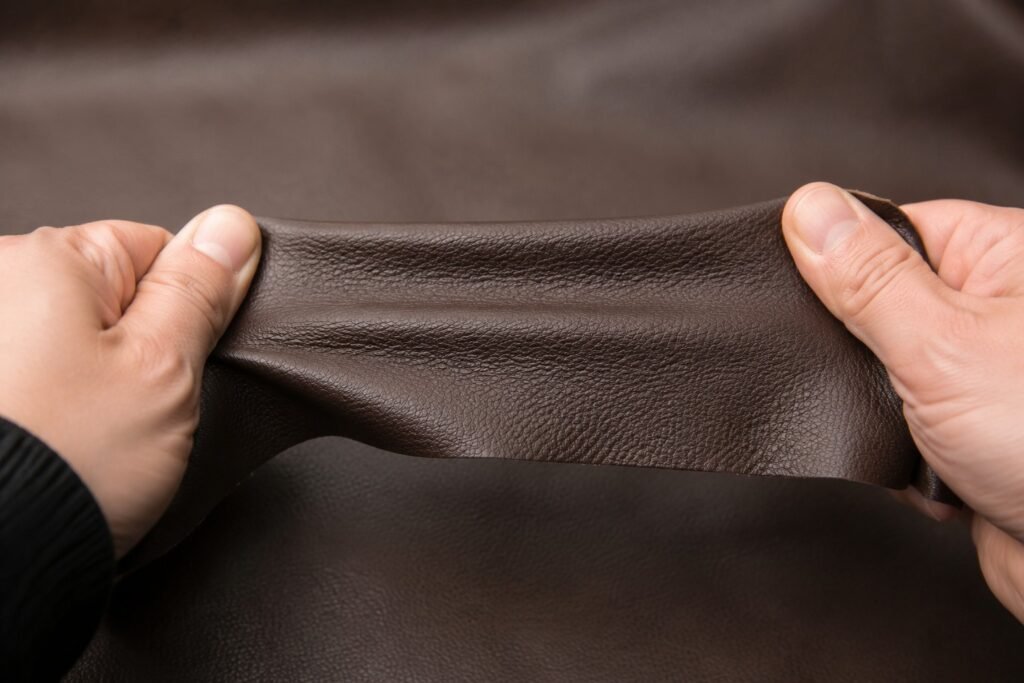
Stretch Test — check recovery
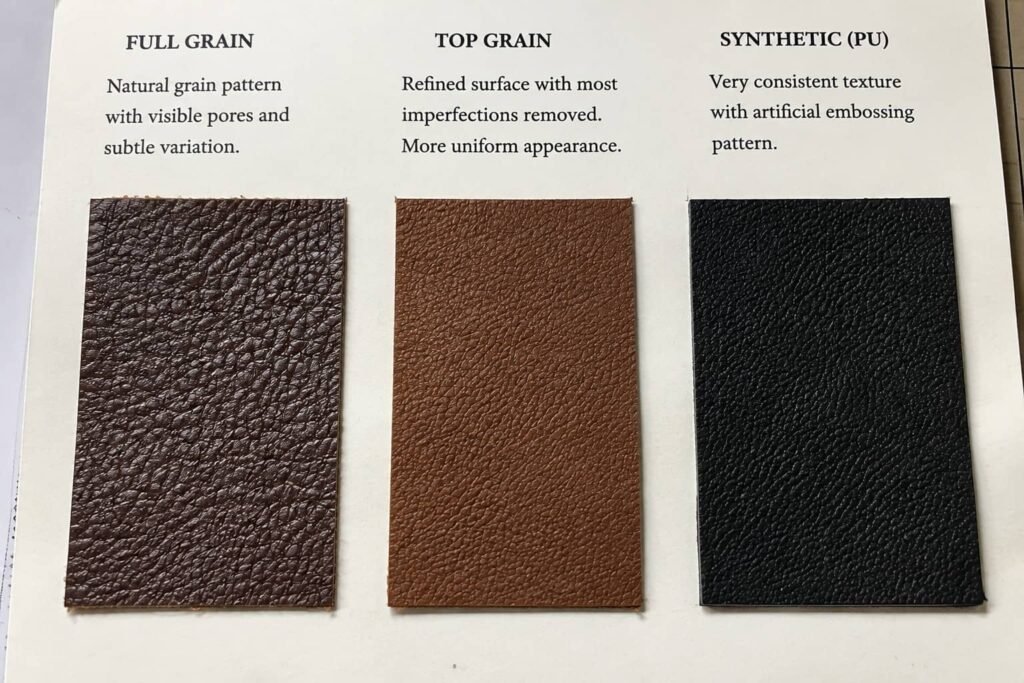
Grain Test — examine surface density
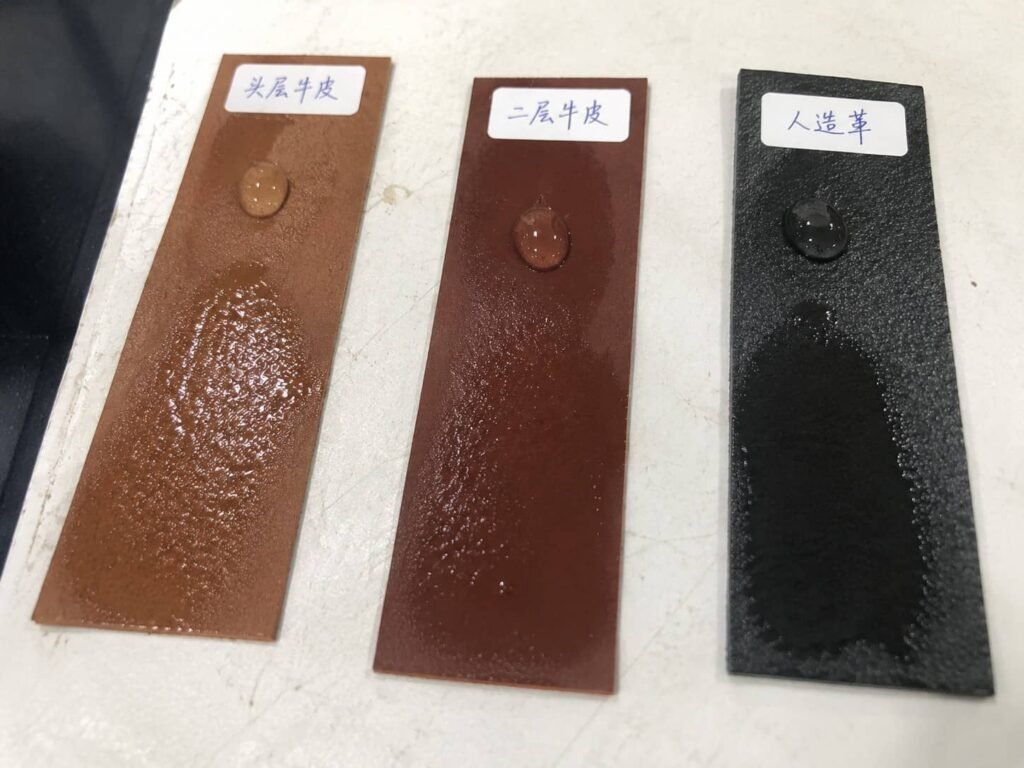
Water Test — check absorption rate
The Stretch Test
Gently pull the leather in both directions. Quality material rebounds to its original shape without leaving wrinkles or deformation. If it stretches too much and doesn’t recover, the fiber structure is weak.
The Grain Test
Examine the surface under good light. Tight, dense grain indicates strength. Loose, open grain is prone to wrinkling and wear. Full grain — expect natural variation; top grain and synthetics — expect consistency.
The Fold Test
Fold the material and hold for 10 seconds, then release. Quality material shows no white stress marks or cracking. Discoloration along the crease indicates a rigid finish that may crack with use.
The Smell Test
Real leather has a rich, organic, slightly earthy scent. Coated leather may smell faintly chemical. PU smells distinctly like plastic. Your nose is a reliable quality indicator.
The Backside Check
Flip the leather over. Dense, tightly packed fibers indicate a strong hide. Loose, fuzzy texture indicates lower quality — one of the hardest things to convincingly fake.
Factory-Side Quality Inspection: What to Look For
Beyond sample evaluation, B2B buyers should understand how material quality is verified during production. Key inspection points at the factory level:
- Thickness Measurement — Consistent thickness (±0.1mm tolerance) across the hide and between hides in the same batch. Inconsistent thickness causes stitching tension problems and uneven product appearance.
- Color Consistency Check — Compare every hide against the approved master sample under standardized lighting (D65 daylight). Even slight color drift between production batches is visible in e-commerce photos.
- Surface Defect Inspection — Each hide should be inspected for scars, holes, scratches, vein marks, and color spots before cutting. Defect areas are marked and cut around — this directly affects yield efficiency.
- Finish Adhesion Test — For coated or corrected leathers, verify the finish doesn’t peel or delaminate under normal flexing. A simple tape test can reveal poor finish adhesion before bulk production begins.
- Odor Check — Strong chemical or solvent smells indicate incomplete curing or excessive use of finishing chemicals. Products with noticeable chemical odor face high return rates, especially in markets with strict consumer protection regulations.
Frequently Asked Questions
Full grain = unsanded natural surface, visible grain, develops patina. Choose for luxury ($200+ retail). Top grain = sanded smooth, uniform finish, 25–40% more affordable. Choose for commercial brands needing perfect batch consistency ($80–$200).See grade comparison ↑
Litchi grain — the pebbled surface hides scratches and scuffs from daily use. Saffiano for a more structured, fashion-forward look with similar scratch resistance. Avoid smooth leather for daily bags unless your brand aesthetic demands it — it shows wear more visibly. See texture gallery ↑
In appearance and hand-feel — yes. Premium microfiber is nearly indistinguishable from genuine leather. Better color consistency, lighter weight, 100% vegan. However, it doesn’t develop patina. For vegan brands and EU-market products, microfiber is often preferred over genuine. Compare in the grade table ↑
Microfiber leather — water-resistant, easy to wipe clean, wide color range for seasonal collections. PU leather as budget alternative. Waxed leather for premium cosmetic lines. Avoid uncoated natural leather — cosmetic residue stains permanently.
For premium wallets: Full-Grain or Top-Grain cowhide (1.0–1.2mm) or goatskin (0.8–1.0mm). Goatskin offers finer grain and softer feel; cowhide provides maximum durability. Budget-conscious projects: Top-Grain with semi-aniline finish gives the best price-quality balance.
For private label handbags, Top Grain cowhide with semi-aniline finish offers the best balance of premium appearance and predictable production cost. Luxury private label brands often choose Full Grain calfskin or goatskin for a richer hand-feel. For vegan collections, Microfiber leather delivers a premium synthetic alternative.
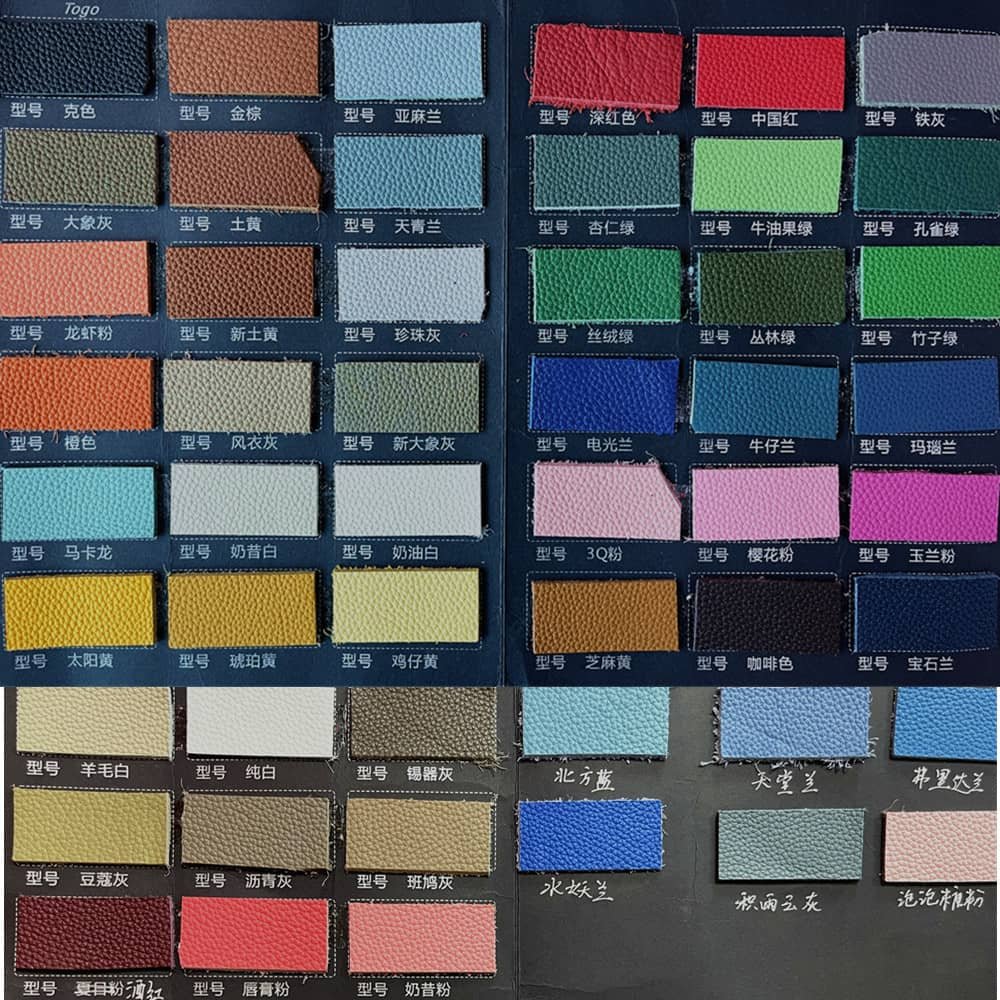
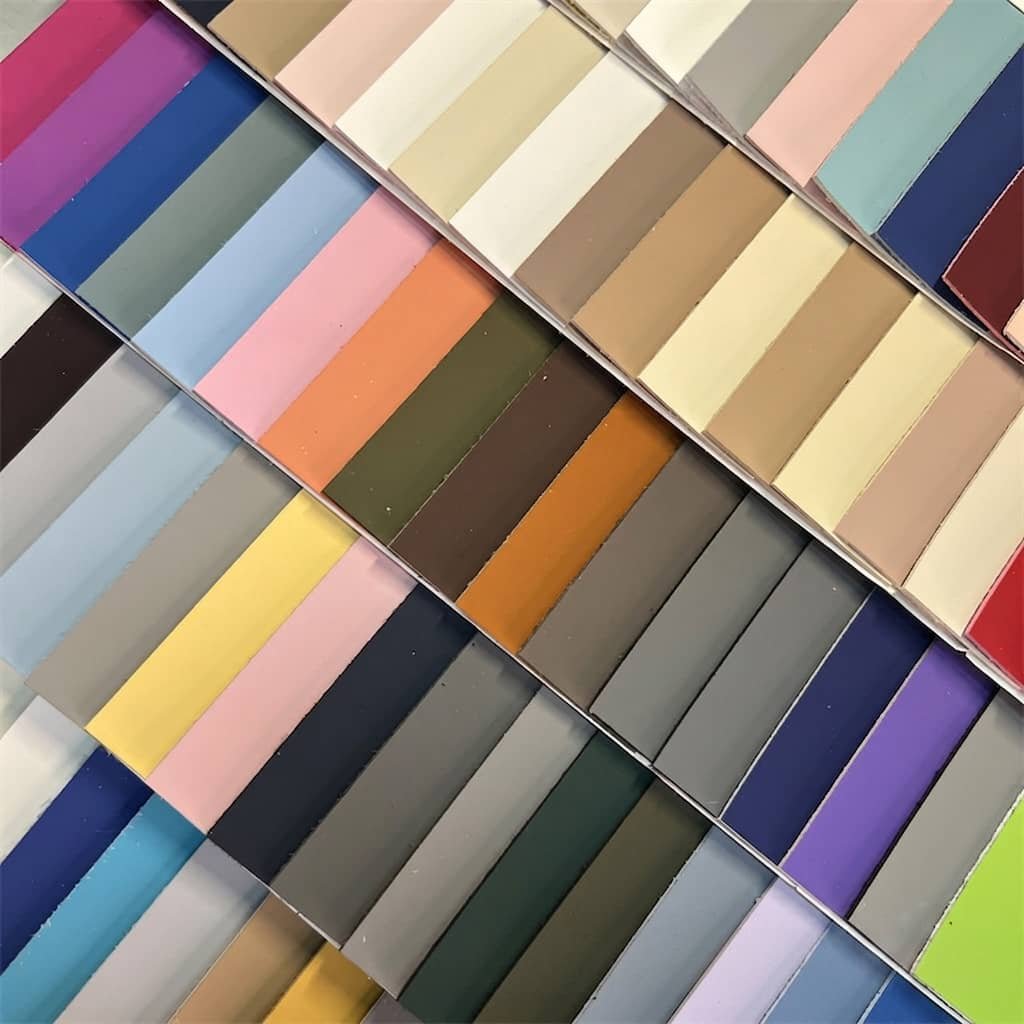
Yes — and we strongly recommend it. We provide material swatch books (showing our full leather and color range) and strike-off samples (your selected material in your specific color and finish) before you commit to bulk. Swatch books are typically free for qualified inquiries. Strike-off samples take 5–7 working days.