Table of Contents
Introduction: What This Guide Will Actually Help You Solve
Most sourcing guides for wholesale slim card holders read like product brochures — they tell you what a card holder is, list some bullet points about leather grades, and end with a generic CTA. This one is different.
After 12 years of working with buyers across the US, Europe, Australia, and Southeast Asia, I’ve heard the same fears and frustrations come up again and again: How do I know the factory is real? Why did my first bulk order look nothing like the sample? What’s a fair MOQ for a new brand? Can I trust a supplier I’ve never visited?
This guide addresses those real questions — not just the glossy version of sourcing. By the end, you’ll have a clear picture of what separates a trustworthy bulk card holder supplier from a risky one, what craftsmanship details actually matter for your brand reputation, and how to structure a profitable private label leather goods program from day one.
1. Why Slim Card Holders Remain One of the Smartest Wholesale Categories in 2026
Let me be direct: card holders are not a trend. They are a structural shift in how people carry their daily essentials. The move away from bulky bifold wallets has been consistent across age groups and geographies for several years now, and it continues to accelerate.
From a commercial standpoint, wholesale card holders offer a combination of advantages that few leather goods categories can match simultaneously.
Higher Margins Without Higher Complexity
A slim card holder uses 30–50% less leather than a full bifold wallet, yet it retails at price points that are only marginally lower. That means your material cost drops significantly while retail pricing holds strong — especially if you invest in quality presentation and packaging. For brands at the $25–$80 retail price point, margins of 4x–6x landed cost are achievable with the right supplier and material selection.
Lower Freight Cost Per Unit
Weight and volume directly affect your landed cost on international freight. Card holders are among the lightest products in the leather goods category. On air freight, a single carton can hold two to three times more units compared with full wallets, which meaningfully improves your per-unit economics — particularly for DTC brands and Amazon sellers managing inventory costs tightly.
Versatile Demand Across Multiple Channels
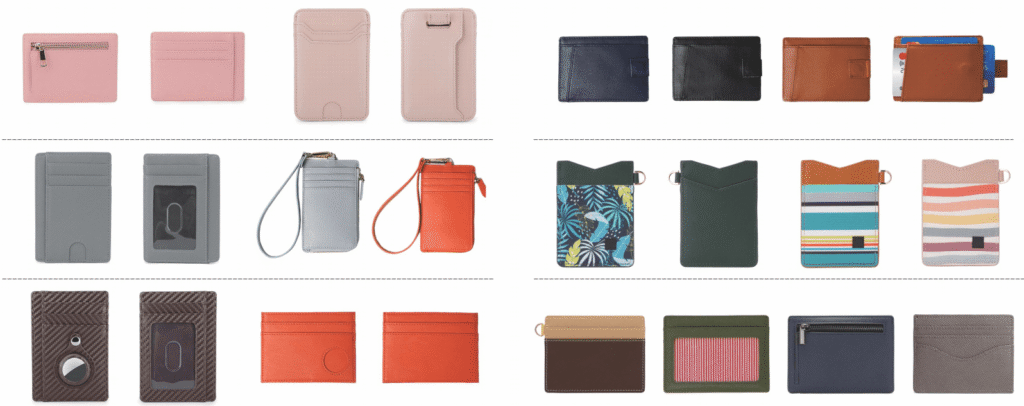
The same product can serve fashion retail, corporate gifting, travel accessories, and promotional programs. Very few SKUs in leather goods have this kind of cross-channel utility. This means you can launch one base design and adapt it — with different colors, materials, or packaging — for multiple buyer segments without building an entirely new product.
2026 Market Context
B2B inquiry data from Solton Leather’s own sales pipeline shows that pebble grain textures and eco-conscious material options have seen the fastest year-on-year growth in new buyer requests over the past 18 months. RFID-blocking versions now represent over 40% of premium program inquiries, up from roughly 20% three years ago. These numbers reflect a real shift in what end consumers expect and what retail buyers are actively sourcing.
2. How to Evaluate a Bulk Card Holder Supplier — Beyond the Price Quote
The most common mistake first-time B2B buyers make is treating the initial quote as the primary evaluation criterion. Price matters, obviously. But the cost of a failed order — returned goods, damaged customer relationships, missed retail windows — is almost always higher than the money saved by choosing the cheapest supplier.
Here is how to evaluate a bulk card holder supplier the way experienced importers do:
Step 1: Verify They Are a Real Factory
This sounds obvious, but a significant portion of ‘manufacturers’ on B2B platforms are actually trading companies that source from factories they don’t control. Ask for the following:
- A business license or factory registration document
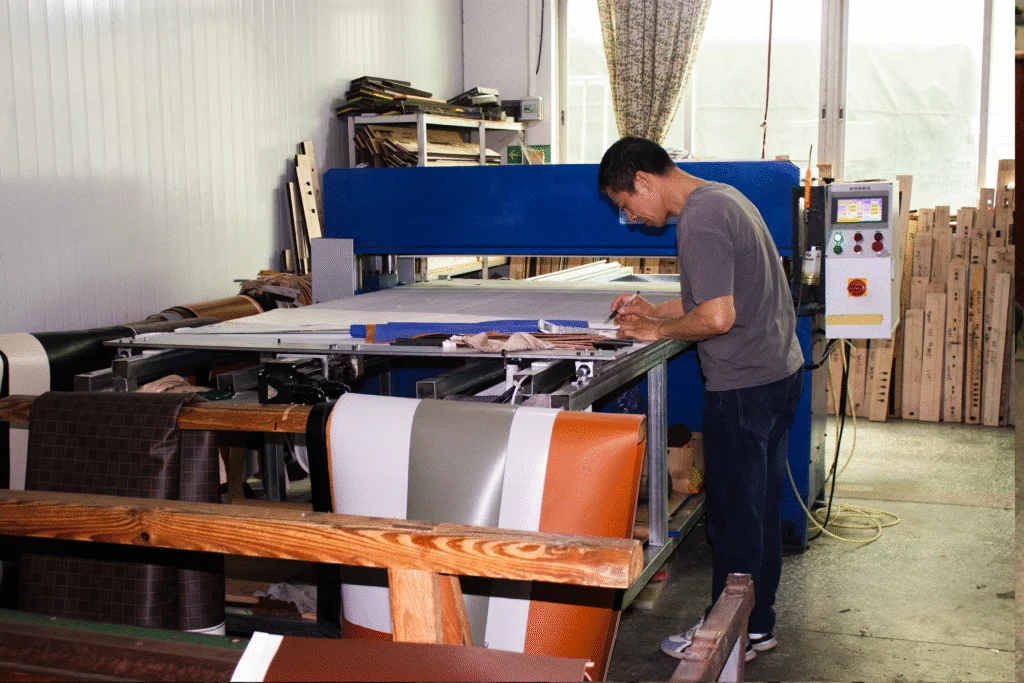
- Photos of the actual production floor — not stock photos
- Video of a current production run, ideally with your product specification visible
- References from existing buyers in your market (US, EU, AU, etc.)
At Solton Leather, we welcome factory visits and regularly provide video walkthroughs for international buyers who cannot travel to Guangzhou. Any legitimate manufacturer should be willing to do the same.
Step 2: Evaluate the Sample — Then Test It Hard
Never evaluate a sample by how it looks on day one. A good sample looks good on day one. What you need to know is how it looks after use.
When you receive your sample, do the following before approving bulk production:
- Fill every card slot to capacity and leave it for 48 hours. Check if the slots hold their shape or stretch out.
- Bend the card holder 50 times in both directions. Check the stitching at the edges and corners.
- Rub the edges with your fingernail. Premium edge paint should not chip or crack under moderate friction.
- Check logo alignment under direct light. Misaligned debossing on a sample is a warning sign for batch consistency.
- Check the interior lining for glue marks, uneven cuts, or raw leather edges.
If any of these fail on the sample, they will almost certainly fail in the bulk order — and at scale.
Step 3: Ask About Quality Control Systems
A professional supplier should be able to describe their QC process in specific, operational terms — not just say ‘we have quality control.’ Ask:
- At what stages does inspection happen? (Cutting, stitching, finishing, packing?)
- What is your rejection rate, and how do defective units get handled?
- Do you do 100% inspection or AQL sampling?
- Can we join the final QC check via video call before shipment?
Solton Leather conducts 100% quality inspection before every shipment. We document defects and resolution for each batch so buyers have a clear record.
Step 4: Clarify Export Experience
Exporting to the US, EU, or UK involves more than putting products in a box. Ask your supplier about their experience with carton labeling standards, HTS codes, and their track record on delivery timelines. Delays caused by documentation errors are frustratingly common with inexperienced exporters.
3. Craftsmanship Details That Actually Protect Your Brand Reputation
Stitching Density: The Foundation of Durability
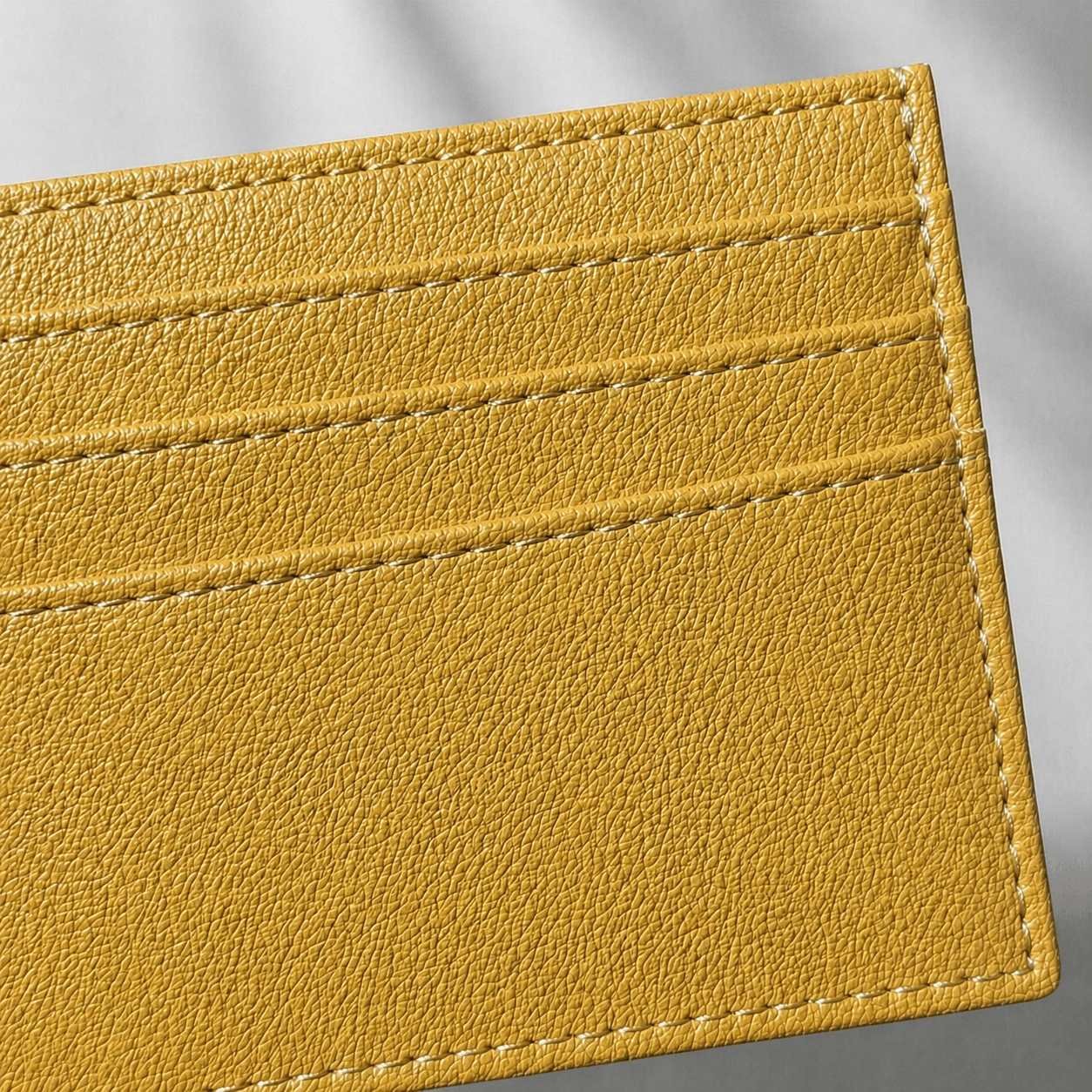
SPI — stitches per inch — is the most reliable single indicator of stitch quality in leather goods. Here is how the ranges translate to real-world durability:| SPI Range | Quality Tier | Expected Performance | Suitable For |
|---|---|---|---|
| 5–6 SPI | Budget | Faster edge wear, slot distortion under load | Promotional giveaways |
| 7 SPI | Standard | Acceptable for mid-range retail | Mid-market wholesale |
| 8–9 SPI | Premium | Clean finish, holds card slot shape long-term | Branded retail, gifting |
| 10+ SPI | Luxury | Hand-stitched feel, maximum durability | High-end private label |
Solton Leather’s standard production runs at 8–9 SPI for premium programs. This is not a marketing claim — it is measurable and verifiable on any sample we send.
Edge Paint: The Detail That Fails First
Edge paint quality is often overlooked at the sample stage and becomes a major source of customer complaints 3–6 months post-purchase. Poor edge coating cracks, peels, or discolors — particularly on high-use areas like corners and card slot openings.
A properly executed edge finish involves multiple stages: initial sanding to remove rough fibers, application of a base sealant, layered color coating, and a final burnishing pass. Shortcuts in any of these steps will show up in the long run. When evaluating samples, run your thumbnail firmly along the edges. Any flaking or immediate cracking is a red flag.
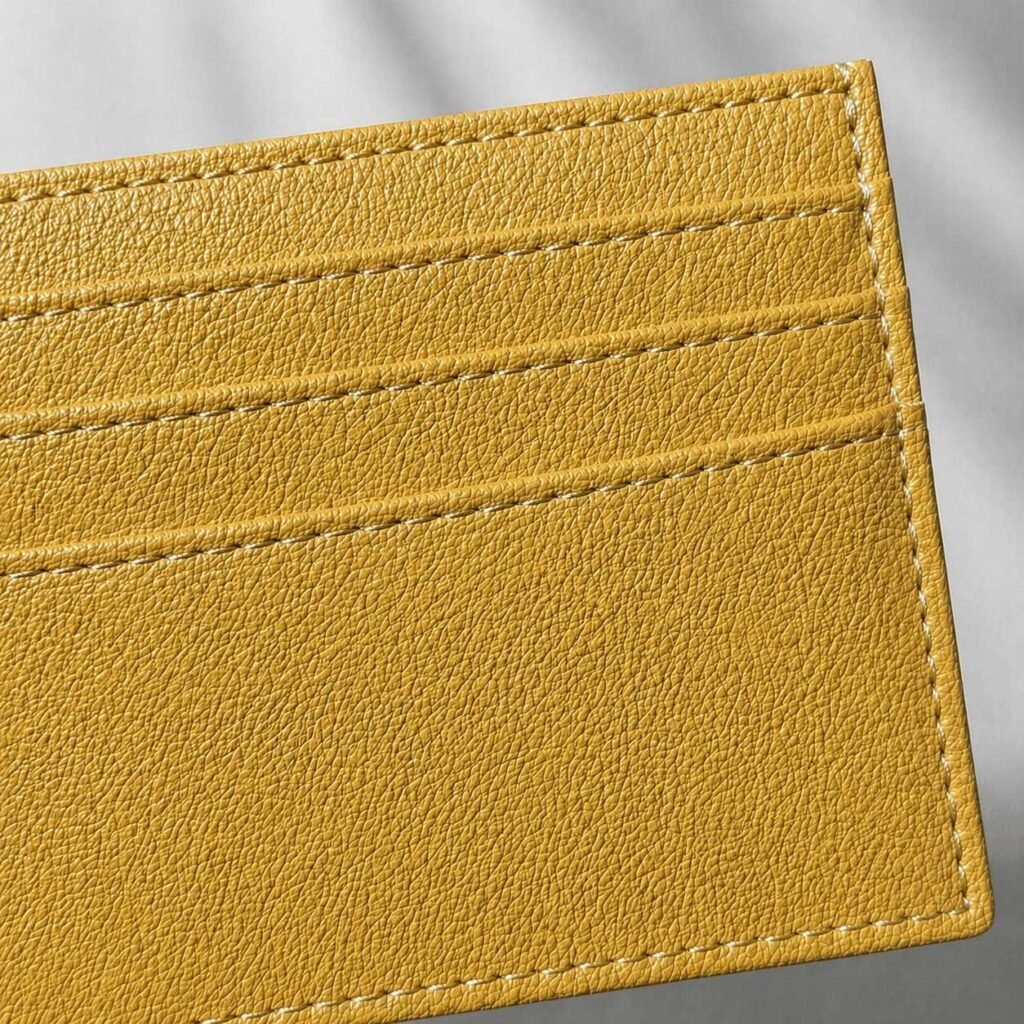
Solton Leather’s standard production runs at 8–9 SPI for premium programs. This is not a marketing claim — it is measurable and verifiable on any sample we send.
Edge Paint: The Detail That Fails First
Edge paint quality is often overlooked at the sample stage and becomes a major source of customer complaints 3–6 months post-purchase. Poor edge coating cracks, peels, or discolors — particularly on high-use areas like corners and card slot openings.
A properly executed edge finish involves multiple stages: initial sanding to remove rough fibers, application of a base sealant, layered color coating, and a final burnishing pass. Shortcuts in any of these steps will show up in the long run. When evaluating samples, run your thumbnail firmly along the edges. Any flaking or immediate cracking is a red flag.
Leather Cutting Precision
Misaligned panels are one of the most common quality problems in production-level card holders. When leather is cut slightly off-grain or panels are not matched consistently, the finished product looks asymmetrical — and asymmetry is something consumers notice immediately, even if they can’t articulate exactly what looks ‘off.’
Ask your supplier about their cutting method: hand-cutting introduces more variability than die-cutting or CNC cutting for production quantities.
4. Material Selection: Matching Leather to Your Market Position
Material choice is not just about cost — it is about communicating brand positioning to your end customer before they even touch the product. The texture, weight, and sheen of leather sends an immediate signal about quality and price.
| Material | Market Position | Key Characteristic | Best Application |
|---|---|---|---|
| Full Grain Leather | Luxury / Premium | Natural grain, develops patina, most durable | High-end retail, gifting above $60 |
| Top Grain Leather | Mid-High | Sanded surface, consistent look, very versatile | Fashion retail, branded collections |
| Pebble Grain Leather | Durable Premium | Textured surface, hides scratches, great hand feel | Everyday carry, corporate gifts |
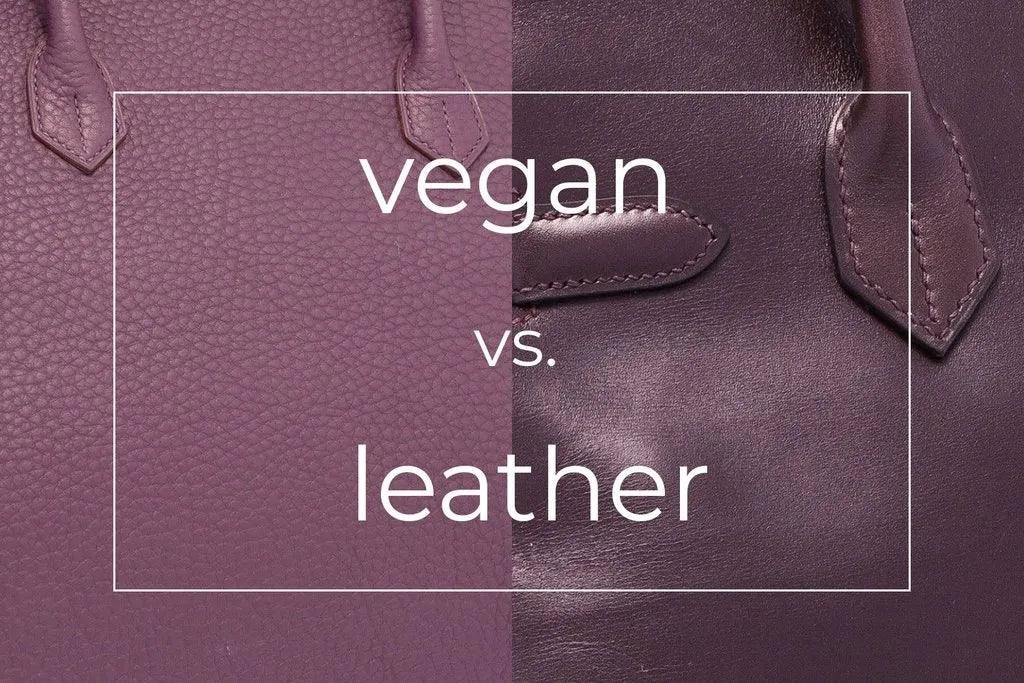
| Vegan PU | Budget / Promo | Lower cost, consistent color, wide range | Promotions, price-sensitive retail |
| Recycled Materials | Sustainable | Lower carbon footprint, growing buyer demand | Eco-focused brands, B-Corp clients |
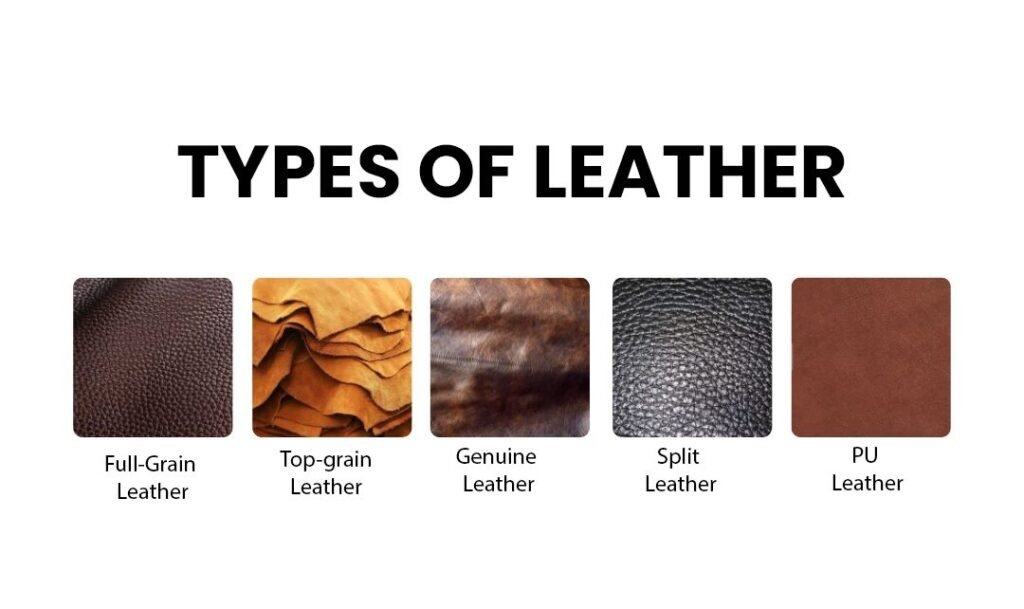
One question I get frequently from buyers: ‘Is top grain or pebble grain better?’ The honest answer is that it depends on your customer. For buyers targeting business professionals, pebble grain tends to perform better because it looks consistently premium even after daily use. For fashion-forward brands, top grain gives a cleaner, more luxurious appearance at first sight but requires more careful use.
The Sustainability Question in 2026
Buyers from the EU and UK in particular are increasingly asking for material certification and sustainability documentation. At Solton Leather, we source eco-friendly tanned leathers and can provide material traceability documentation for buyers who require it. If your target retail channel includes sustainability-conscious retailers or marketplaces with environmental policies, this is worth discussing early in the development process.
5. RFID Blocking: When It's Worth the Upgrade
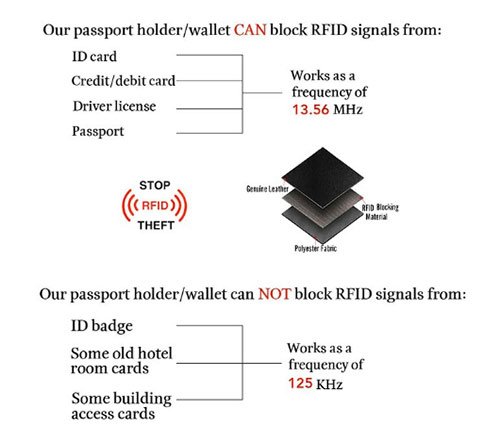
RFID-blocking slim wallets have moved from a niche feature to a mainstream expectation in premium programs. Searches for RFID slim wallet wholesale have grown steadily over the past two years as more retail buyers include it as a standard specification rather than an optional upgrade. The technology involves a thin layer of metalite or carbon fiber shielding integrated into the card holder construction — it blocks the 13.56 MHz frequency used by contactless credit cards and NFC-enabled documents.
Here is the practical information buyers need:
- RFID protection adds approximately 0.5–1.5mm of thickness to the finished product, depending on construction method
- Testing can be conducted and documented — ask suppliers for a test certificate rather than just a verbal claim
- Logo customization is fully compatible with RFID construction — the shielding layer is interior
- The cost premium for RFID typically ranges from $0.80–$2.50 per unit depending on material grade and volume
RFID is most commercially valuable for travel retail, executive gift programs, and ecommerce listings where buyers are actively filtering for the feature. If your target channel includes corporate gifting or frequent-traveler audiences, it is almost always worth including.
Ready to Start Your Slim Wallet Program?
6. Corporate Leather Gifts: The B2B Opportunity Most Brands Underestimate
The corporate gifting market for leather accessories is substantial and underserved by quality-focused suppliers. Many corporate gift buyers are not leather goods experts — they are procurement managers or HR professionals looking for something that will genuinely impress recipients without requiring a deep knowledge of leather sourcing. This is an opportunity.
Slim card holders consistently rank among the most effective corporate leather gifts because they hit a specific combination of criteria that procurement buyers care about: they look expensive without being expensive, they are practical enough that recipients will actually use them, and they are easy to personalize without altering the product structure.
What Corporate Buyers Need From You — and Your Supplier
If you are building a corporate gifting channel, here is what matters in terms of supplier capability:
- Consistent logo quality across large batches — a debossed logo should look identical on unit 1 and unit 500
- Packaging options that feel gift-ready out of the box — rigid gift boxes, velvet pouches, or FSC-certified paper boxes
- Lead times that accommodate corporate procurement cycles — typically 6–10 weeks from approval to delivery
- The ability to include custom inserts — a branded thank-you card, a certificate of authenticity, or a product care guide
Corporate Program Tiers: How Material and Packaging Define the Experience
Different corporate gifting scenarios call for different product tiers. The table below maps common program types to the specifications that typically deliver the right result — without over-engineering the product for the context, or under-delivering on quality where it matters.
| Program Type | Material Recommendation | Logo Method | Packaging | Typical Volume |
|---|---|---|---|---|
| Promotional / Large-scale | Pebble PU or Top Grain PU | Blind deboss | Kraft paper box | 300–1,000+ pcs |
| Branded Corporate Gift | Top Grain Leather | Blind deboss or gold foil | Rigid gift box | 100–500 pcs |
| Executive / VIP Program | Full Grain Leather | Foil stamping or metal plate | Premium rigid box + insert card | 100–200 pcs |
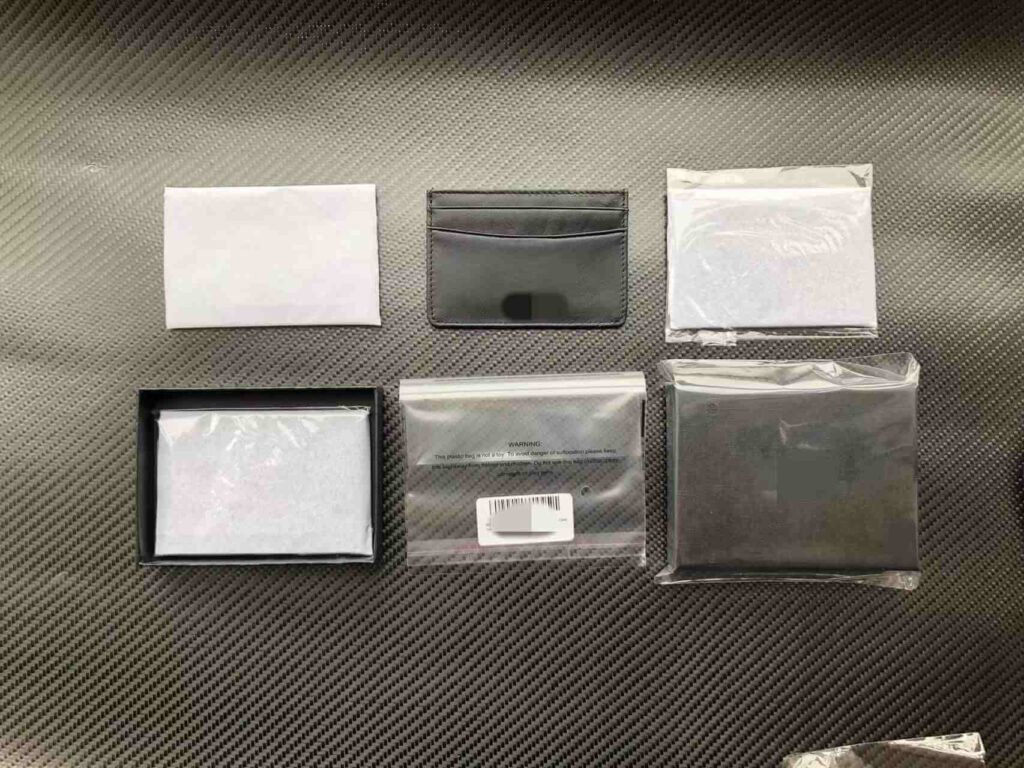
For corporate leather gifts, the packaging is often as important as the product itself. A full grain leather card holder presented in a plain polybag will underperform the same product in a well-designed rigid box. Budget accordingly.
7. Logo Methods, Packaging, and the Perception of Value
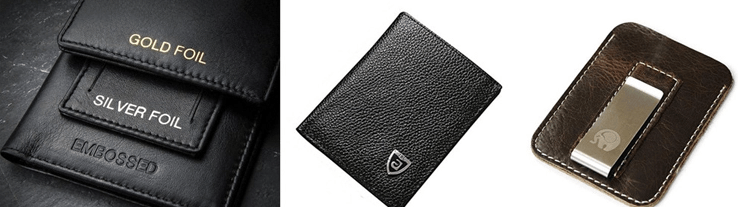
| Branding Method | Visual Effect | Price Perception | Best Fit |
|---|---|---|---|
| Blind Debossing | Subtle tactile impression | Quiet luxury, premium | Minimalist brands, corporate gifts |
| Foil Stamping (Gold/Silver) | High visibility, reflective | Fashion-forward, impactful | Retail gifting, trend collections |
| Metal Plate | Bold, structural | Edgy premium | Streetwear, fashion accessories |
| Printed Logo | Full color, flexible | Approachable, promotional | Budget programs, events |
Blind debossing remains the most requested logo method in our premium programs — it communicates quality without shouting. For retail gift programs, gold foil stamping paired with a rigid box is the most consistently high-performing combination we see in terms of consumer unboxing response.
8. MOQ, Lead Times, and Pricing — Honest Numbers
Minimum Order Quantities
At Solton Leather, our standard MOQ is 100 pieces per style per color. For fully custom const ructions — new molds,customized metal logo, or non-standard dimensions — a higher MOQ may apply depending on tooling requirements. We are transparent about this from the first inquiry.If you are testing a new design and 100 pieces feels like too large a commitment, we recommend starting with a sample order of 2–5 pieces to validate the product before placing the production run.Lead Times: What to Realistically Expect
| Stage | Typical Timeline | Notes |
|---|---|---|
| Sample Development | 5–7 working days | Standard; complex designs may take 10–12 days |
| Sample Revision (if needed) | 5-7 working days | Based on specific change requests |
| Bulk Production (after approval) | 30–35 working days | Volume and complexity dependent |
| Freight (sea, to US West Coast) | 30-35 days | door to door ,other FOB way Port to port availabel too |
| Freight (air, worldwide) | 5–7 days | Higher cost; for time-sensitive orders |
What Drives Your Unit Cost
Rather than give you a price range that is too broad to be useful, here are the specific cost drivers to understand before requesting a quote:
- Leather grade — the single largest cost variable; full grain can be 3x the cost of standard PU
- RFID layer — adds $0.30–$0.80 per unit based on your design
- Logo method — blind debossing is lowest cost; metal plate is highest
- Packaging —opp bag is including ,dust bag normal add $0.3-$0.5/pcs ,gift box normal add $0.30-$0.80/pcs based on your gift box design.
- Hand-finishing level — burnished edges, waxed thread, and hand-painted details all add cost and time
- Order quantity — pricing improves at 300, 500, and 1,000+ unit thresholds
9. OEM vs ODM: Choosing the Right Development Path
These two terms get used interchangeably but they represent meaningfully different approaches, and the right choice depends on where your brand is in its development.
OEM (Original Equipment Manufacturer)
You provide the design specification. The factory produces to your exact requirements. Best for: established brands with in-house design capability, or buyers who want to replicate a specific product they have already sold.
OEM (Original Equipment Manufacturer)
You provide the design specification. The factory produces to your exact requirements. Best for: established brands with in-house design capability, or buyers who want to replicate a specific product they have already sold.
At Solton Leather, we support both paths. As a custom card holder manufacturer with over 12 years of OEM/ODM production experience, we can be customized and branded with a 5–7 workdays turnaround on samples. For OEM buyers, our development team works from your tech packs, sketches, or reference samples.
A practical tip: many successful brands start with ODM to test a market quickly, then transition to OEM for their second or third collection once they know which styles their customers love.
Frequently Asked Questions
Our standard minimum order is 100 pcs /style/color . For customized metal logo or constructions may require a higher MOQ depending on design. We are always transparent about this during the inquiry stage.
Samples typically take 5–7 working days at Solton Leather. Bulk production after sample approval runs 30 –35 working days. Sea freight to the US West Coast adds approximately 30-35 days door to door .
Yes, consistently. They combine premium presentation, practical daily use, and straightforward personalization — which is exactly what corporate gift buyers need. They are also compact and lightweight, which keeps shipping costs manageable even for large programs.
Yes. We source eco-friendly materials . Recycled PU and certified vegetable-tanned leather options are available depending on the program.
Standard terms are 30% deposit before production, 70% balance before shipment. For established buyers, we can discuss alternatives. We support bank transfer (T/T) ,Paypal or others way.
Always. At Solton Leather, we strongly recommend a sample order before any production run.