OEM vs ODM for Custom Bags: What’s the Real Difference in 2026?
OEM vs ODM for custom bags is the first critical crossroads every brand must face—and getting it wrong could result in a huge loss. In today’s highly competitive market, this decision is not just about manufacturing, but also a strategic choice: whether to build your own product or to leverage established factory expertise to accelerate product launch.
For many brands, the confusion starts on the balance sheet. Choosing the wrong model can result in high sample fees, unaffordable MOQ (Minimum Order Quantities), or launch delays that miss the peak sales season.This is why the OEM vs ODM choice is most important.
OEM (Original Equipment Manufacturing) accept full customization. You provide the tech pack, and the factory based on your exact specifications to produce. While this ensure you have full IP ownership,it requires higher up-front investment,including sample costs and OEM bag manufacturing lead time.
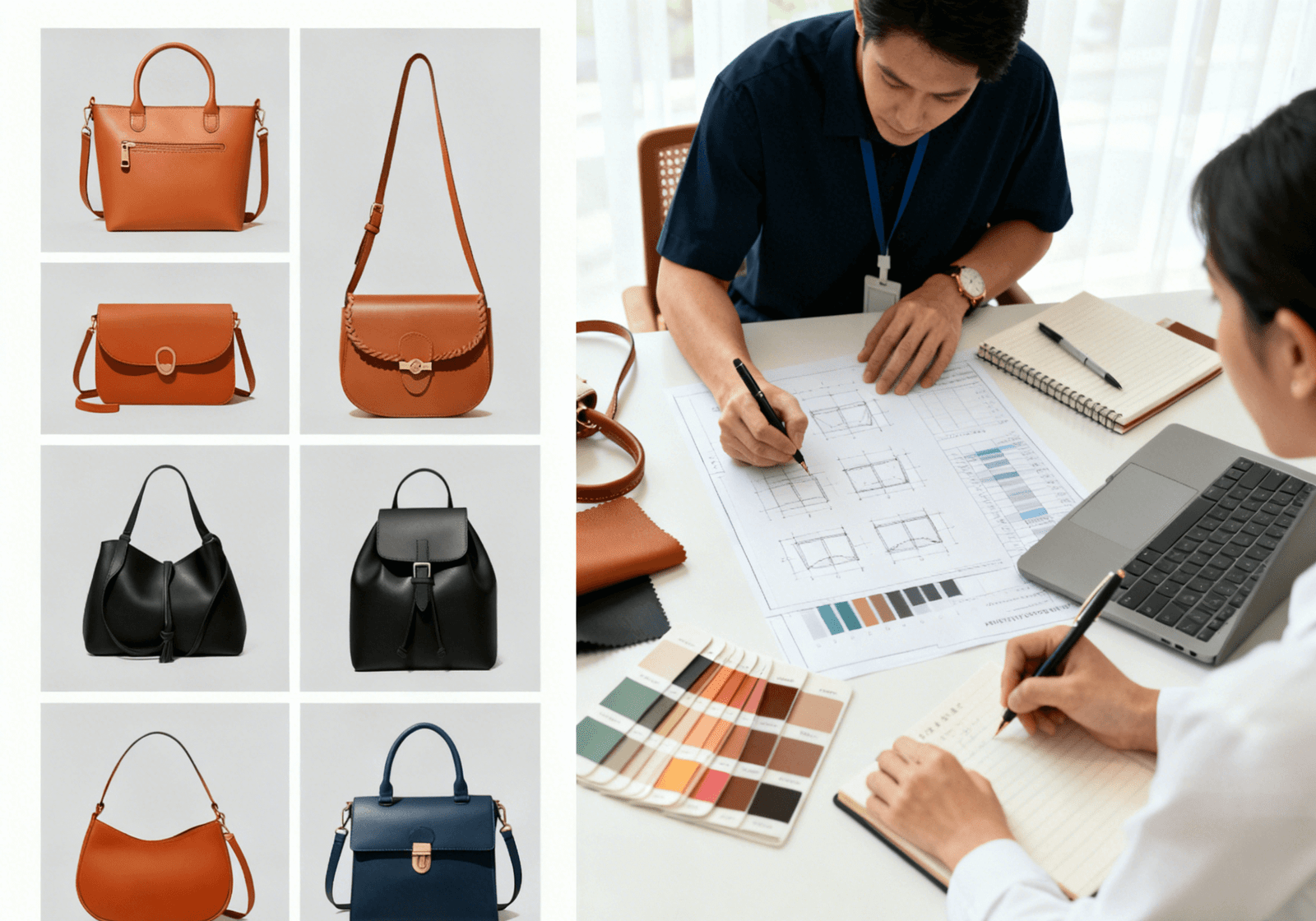
ODM (Original Design Manufacturing) you can choose from the existing R&D design in our factory. By using white-label designs and existing molds, you can avoid high development costs and enter the market development costs with lower MOQ , but at the cost of sacrificing the uniqueness of the design.
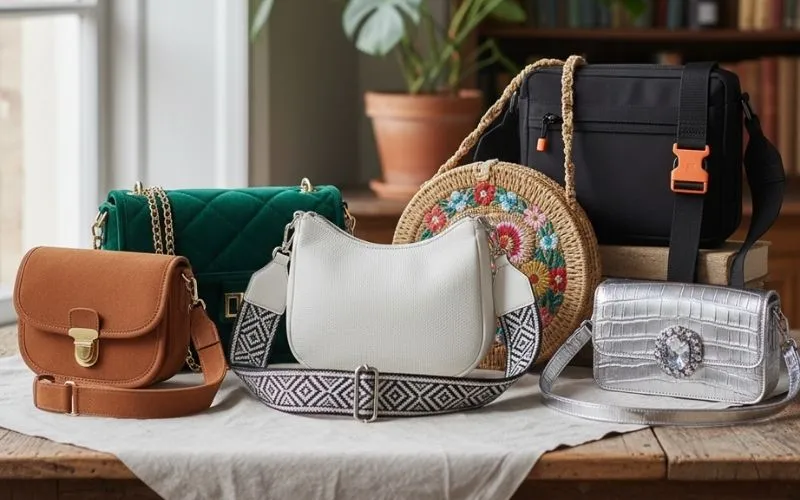
The right model depends on your design resources, budget, and time to market—whether you’re a startup looking to test a new cosmetic bag collection , small leather goods accessories with minimal risk, or an established brand looking to expand its collection of crossbody bag and tote bag.
In 2026, successful brands will not blindly choose OEM or ODM . Whether you are an established brand with a full product line or a small brand entering a highly competitive market, understanding the key differences between OEM and ODM will help you align your brand strategy with your production needs.
Many brands start with ODM to save on initial sample costs and later transition to OEM for their hero products.
To choose the right path, we first need to lfocus on a long-term strategy: OEM. If your brand’s competitive advantage is lies in the uniqueness of product design, then you need more than just suppliers ,you need experienced manufacturing partner.
OEM Bag Manufacturing Explained: When Full Customization Is Non-Negotiable
OEM (Original Equipment Manufacturing) means private label bag manufacturing produces exactly what you design.
You provide the Tech Pack: dimensions, materials, hardware and details.
- The Key Feature: factory cannot sell this design to anyone else. It is your ownership design.
When Is OEM the Right Choice?
OEM is essential in the following situations::
Brand Control: Full customization for a unique product line.
You use custom hardware, provide sketches, or specs, patented features
The product is a core “hero” item meant to define your brand
For technical products like custom crossbody bag manufacturer, OEM is often the only viable option.
The Reality of OEM Manufacturing
Higher Development Costs
Sampling fees, pattern development, and custom molds are unavoidable.Longer Lead Times
It takes approximately 4 to 6 months for goods to be ready for shipment.Full IP Control
If the terms of your contract are correct, you will own the design, mold, and structural logic.
👉 OEM bag manufacturing is a long-term investment, but it can build a competitive advantage
However, complete customization is not always the most profitable option..For brands that need to prioritize market speed over structural uniqueness, the ODM model offers a streamlined alternative that is highly regarded by most lean startups.
ODM Bag Manufacturing: Faster, Cheaper, but What Do You Give Up?
ODM (Original Design Manufacturing) means the factory owns the design.
You choose from their existing catalog or design add your logo, adjust colors or materials, and go to market. If you are an Amazon seller, a corporate gift buyer, or a fashion brand testing a custom leather bag or small leather goods collection for the first time, ODM bag supplier is your best friend. In the leather bag wholesale market, speed is often more important than uniqueness.
- The Key Feature: The design belongs to the factory. We can sell the same design to you or the competitors in Global brand, though we usually offer exclusivity in specific regions.
Why Many Brands Start with ODM
For fast-moving categories like custom makeup bag manufacturer, ODM makes sense:
Speed to Market
you could be ready to ship in 2-3 months.Lower MOQs
Factories reuse existing cutting dies and materials.Lower Upfront Risk
No tooling fees, minimal R&D investment.
The Trade-Off You Must Accept
You do not own the design
The same bag can be sold to other brands
Your protection lies in branding and marketing, not structure itself.
The ODM model is highly efficient—but rarely exclusive.
The JDM Model: The "Pro" Secret for 2026
Experienced purchasing managers often opt for a compromise: joint design and manufacturing (JDM). You provide the design concept, and the factory is responsible for technical optimization. This prevents “designs that cannot be produced” and reduces production costs by utilizing existing material waste reduction models in the factory.
Some creative fashion brands may not be able to fully realize a product. At such times, an experienced factory and sales team are needed to communicate with the customers, and adjust some details to complete the sample to the customers test.
At Solton Leather ,we can help you realize your ideas.
OEM vs ODM for Custom Bags Cost & Risk Comparison
The table below compares OEM vs ODM for custom bags manufacturing across cost, speed, and ownership.
| Dimension | OEM bags | ODM bags |
|---|---|---|
| IP Rights | Buyer owns design & IP (shape, structure, patterns) | Factory owns design; buyer owns brand & logo only |
| Mold Ownership | Buyer usually funds & owns molds (or co-owns by contract) | Factory owns existing molds used for production |
| R&D Cost | Higher: engineering, prototyping, testing all tailored | Lower: spread across many buyers over time |
| Time-to-Market | Longer: new development, mold-building, validation | Faster: use ready-made designs and tooling |
| Customization Level | Very high: shell shape, handle, wheels, lining, structure all bespoke | Medium: logo, color, lining, some parts adjustable |
IP Protection in Custom Bag Manufacturing: Where Brands Get Burned
One of the biggest mistakes brands make is assuming paying for a sample equals owning the design.
The OEM Reality
In OEM, how to protect IP when sourcing bags
Your contract must clearly state:
- Ownership of patterns and molds
- Can not share to other clients
What works in 2026:
An NNN Agreement (Non-Disclosure, Non-Use, Non-Circumvention) signed before sharing your Tech Pack.
The ODM Trap
In ODM:
The factory legally owns the design
If you stop ordering, they can sell it elsewhere
There is no IP claim—only commercial leverage
The Hybrid Sourcing Strategy: How Smart Brands Use OEM + ODM Together
Most successful brands in 2026 don’t choose just one model.
They use a hybrid approach:
ODM for trend-driven or filler items
Keeps cash flowing and tests new markets.OEM for hero products
Builds long-term brand identity and pricing power.
Example:
A brand developing a custom crossbody bag collection may:
Use OEM for the flagship bag with unique hardware
Use ODM for matching pouches or accessories
This strategy balances speed, cost, and IP protection.
Sampling Fees & Mold Costs: The Hidden Economics
OEM: Paying for Engineering
Sample Fees:
PU leather bag Often $3–50,genuine leather bag often 120- 150 usd unit cost to cover pattern-making and testingMold Fees:
Custom metal logo molds typically range from $120-$150,it based on which kind of metal or hardware you need .Revision Cycles:
Budget for at least 2–3 rounds of counter samples
ODM: Leveraging Proven Designs
Sample fees are often waived or credited
No tooling investment
Designs are already optimized for production
Understanding these differences prevents surprise costs later.
OEM vs ODM by Product Category
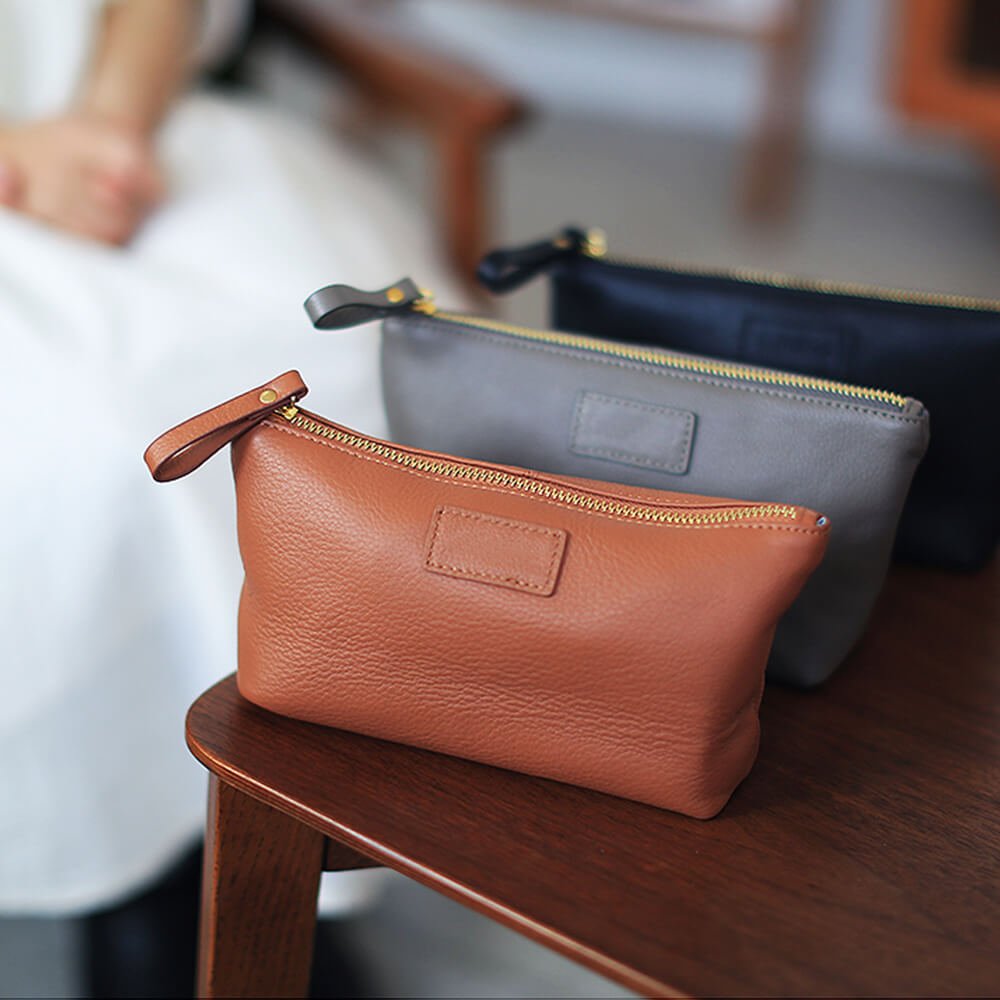
Choosing ODM like Cosmetic bag ,toiletry bag or small fashion accessories.
Short trend cycles
Often used for GWP or seasonal launches
Speed matters more than construction exclusivity
👉 ODM enables quarterly launches with minimal risk.
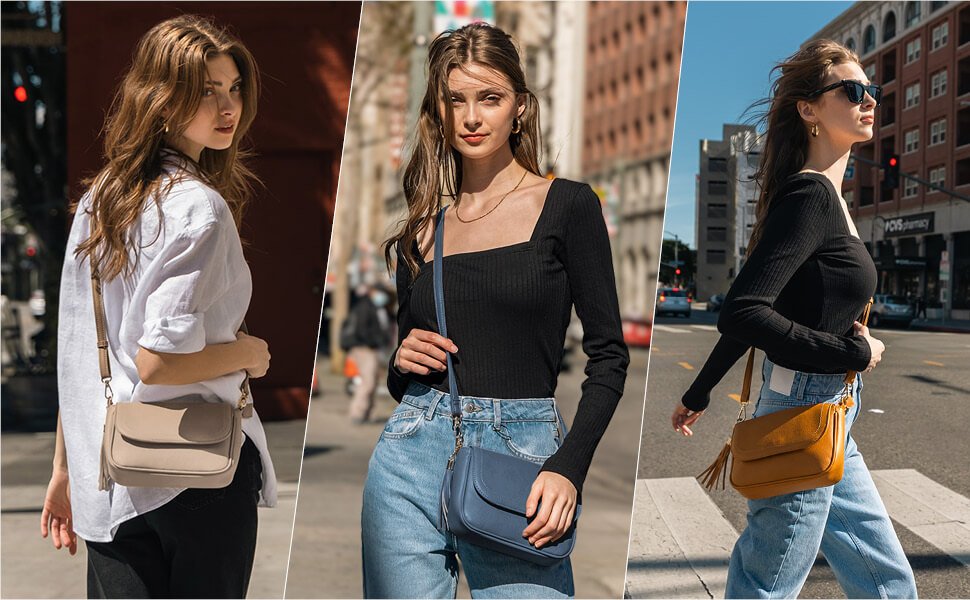
Choosing OEM like Crossbody bag,tote bag.
Weight distribution and ergonomics matter
Padding, structure, and hardware affect reviews
Generic ODM designs often underperform
👉 OEM protects functionality and brand reputation.
Manage material selection, packaging, and development time within one factory to save costs and ensure fast delivery.
OEM vs ODM Decision Checklist (2026)-OEM vs ODM which is better for bag brands?
Ask yourself:
- Do you need full control over bag production and material selection? → Choose OEM.
- Do you want quick market entry with competitive prices? → Choosing ODM may be better.
- Is protecting design ownership important for your brand? → OEM is the way.
- Are you a small brand or amazon seller looking for fast delivery? → ODM is ideal.
2026 Strategic Comparison: Is OEM or ODM Right for You?
| Feature (关键维度) | OEM Model (代工模式) | ODM Model (贴牌模式) | Recommendation (决策建议) |
|---|---|---|---|
| Design Ownership | Brand Owned. 100% intellectual property. | Factory Owned. You buy the right to use it. | Choose OEM for core brand DNA. |
| Upfront Investment | High. Sample, Tech Packs, and molds. | Low. Minimal development costs. | Choose ODM to save upfront cash. |
| Time to Market | Slow. 4–6 months for dev & testing. | Fast. 2-3 months; production-ready. | Choose ODM for seasonal trends. |
| MOQ (Min. Order) | Higher. Usually 500+ units. | Lower. Often 100–200 units. | Choose ODM for market testing. |
| Uniqueness | Total. based on your own design and features. | Limited. Competitors may use same base. | Choose OEM for patented features. |
| Profit Margin | Higher. Better margins at scale. | Moderate. Includes factory R&D markup. | Choose OEM for long-term growth. |
Conclusion: OEM vs ODM for Custom Bags ,the Key to Long-Term Success
Choosing between OEM vs ODM for custom bags manufacturing is not just about production—it’s a strategic decision that directly impacts your brand positioning, cost structure, development cycle, and market competitiveness. For brands focused on product differentiation and high-quality custom bags, OEM bag manufacturing provides full control over design, materials, and craftsmanship, helping build long-term brand value.
For businesses that prioritize cost efficiency, fast lead times, and scalable bulk orders, partnering with an experienced ODM bag manufacturer offers a flexible and reliable solution using proven designs and streamlined production process.
Choosing the right custom bag manufacturing partner—one that understands quality assurance, material sourcing, compliance standards, and your brand’s specific goals—is essential. In the competitive global bag manufacturing industry, the right OEM vs ODM strategy can define your brand’s success for years to come.
At Solton Leather, we are custom bag manufacturer China .Our factory support both models—helping your brands choose the right manufacturing .
Ready to plan your next bag project?
Get a sourcing recommendation
Review your OEM vs ODM fit
Discuss MOQ, costs, and lead times
OEM vs ODM Manufacturing FAQs
The main difference between OEM and ODM lies in design ownership and development responsibility. In OEM (Original Equipment Manufacturing), the brand provides the design and sketches, while the factory manufactures according to specifications. In ODM (Original Design Manufacturing), the factory owns the design and offers ready-made products that brands can customize with logos or materials.
For most startups, ODM is the better starting point. ODM allows faster time-to-market, lower MOQs, and minimal upfront development costs. OEM is more suitable More suitable for the long-term development of mature brands.
While you cannot change the structural shape of the shell, you have full control over the aesthetics. You can typically customize the material ,color, zipper styles and logo placement to match your brand identity.