Introduction: Why Production Literacy is Your Real Competitive Edge
In the fast-paced world of fashion accessories, custom crossbody bag manufacturing is too often treated as a ‘black box.’ Many brands jump straight into supplier selection, hoping for the best, only to be met with shifting timelines, inconsistent quality, and hidden costs that erode their margins.
The truth? The most successful brands don’t just find a supplier—they master the logic of production. This guide is designed to pull back the curtain on the manufacturing process. Whether you are navigating complex MOQs or selecting high-performance materials for a global market, understanding the ‘how’ is your only real defense against sourcing risks. Let’s dive into what it takes to build a stable, scalable, and high-quality crossbody line.
Table of Contents
Why "Low MOQ" Isn't Always Your Friend (and What to Look for Instead)
MOQ (Minimum Order Quantity) is one of the most misunderstood aspects of bag manufacturing. It is not an arbitrary number set by factories—it is a reflection of production efficiency, material sourcing, and risk control.
Factors That Determine MOQ
MOQ for crossbody bags is influenced by:
- Leather or material sourcing requirements
- Hardware customization and plating colors
- Logo and branding identity design
- Production line efficiency
- Inventory risk for raw materials
Because these factors vary by project, MOQ should always be evaluated case by case.
Typical MOQ Ranges for Custom Crossbody Bags
Table 1: Typical MOQ by Manufacturing Scenario
| Production Strategy | Primary Material | Standard MOQ | Strategic Advantage |
| OEM (Your Design) | Premium Genuine Leather | 100–300 pcs | High-End Positioning: Ideal for luxury labels prioritizing craft over volume. |
| OEM (Your Design) | Technical Vegan Leather | 200–500 pcs | Market Alignment: Sustainable focus; MOQs depend on specific fabric availability. |
| ODM (Factory Styles) | Mixed / Synthetic | 300–500 pcs | Speed to Market: Proven silhouettes that reduce development time and R&D costs. |
| Full Custom (Bespoke) | Genuine / Specialist | 500+ pcs | Exclusivity: Best for unique hardware and structures; requires higher setup & tooling. |
Note: These MOQs are industry benchmarks. Actual quantities may vary based on your specific hardware requirements and custom dyeing needs. Ask us for a tailored quote based on your tech pack.
The Low MOQ Trap: Why It Might Be Holding Your Brand Back
While low MOQ sounds appealing, especially for new brands, it often results in:
- Higher unit costs
- Limited material and hardware options
- Inconsistent quality between batches
A reasonable MOQ for custom crossbody bags helps maintain stable quality, predictable costs, and scalability.
Materials Used in Custom Crossbody Bag Manufacturing
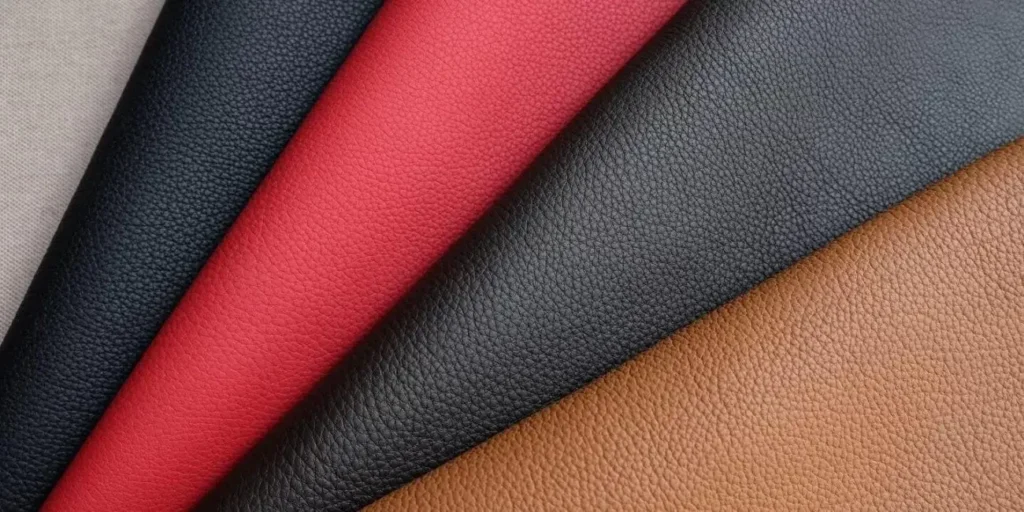
The choice of material affects not only appearance, but also durability, pricing, compliance, and long-term customer satisfaction.
Common Materials for Crossbody Bags
Table 2: Crossbody Bag Material Comparison
| Material Type | Durability | Cost Level | Typical Use |
|---|---|---|---|
| Full-grain leather | Very high | High | Premium collections |
| Top-grain leather | High | Medium–High | Mid to high-end retail |
| Vegan leather (PU) | Medium | Medium | Trend-driven brands |
| Canvas + leather trim | Medium | Medium | Casual collections |
Material Expectations in US & European Markets
For brands selling in Europe and USA, material selection often prioritizes:
- The selection of Grain and natural texture
- Color stability over time
- Compliance with REACH and related regulations
- Aging performance and wear resistance
If only choosing materials solely based on cost will damage brand positioning and increase return rates.
Hardware & Component Customization
Hardware quality is one of the first things customers notice—and one of the easiest areas to make mistakes.
Common Hardware Components
- Zippers (nylon, metal, waterproof, Ykk Zipper) and zipper puller
- Buckles and clasps
- Adjustable shoulder straps and metal shoulder chain
- Magnetic closures
- D ring and dog hook
- Metal Customized plate logo
Even if the bag itself is well-made, low-quality hardware often leads to customer complaints.
Hardware Impact on MOQ and Cost
Custom hardware typically increases MOQ due to:
- Make the hardware Mold
- Color plating minimums
- Strength and durability testing
- Mold cost (normally about 120-150 usd )
- Mold Time (about 10-12 days ) will make the production time longer than without customzied hardware
Brands should decide in advance whether to use standard hardware or invest in custom hardware to avoid impacting the minimum order quantity.
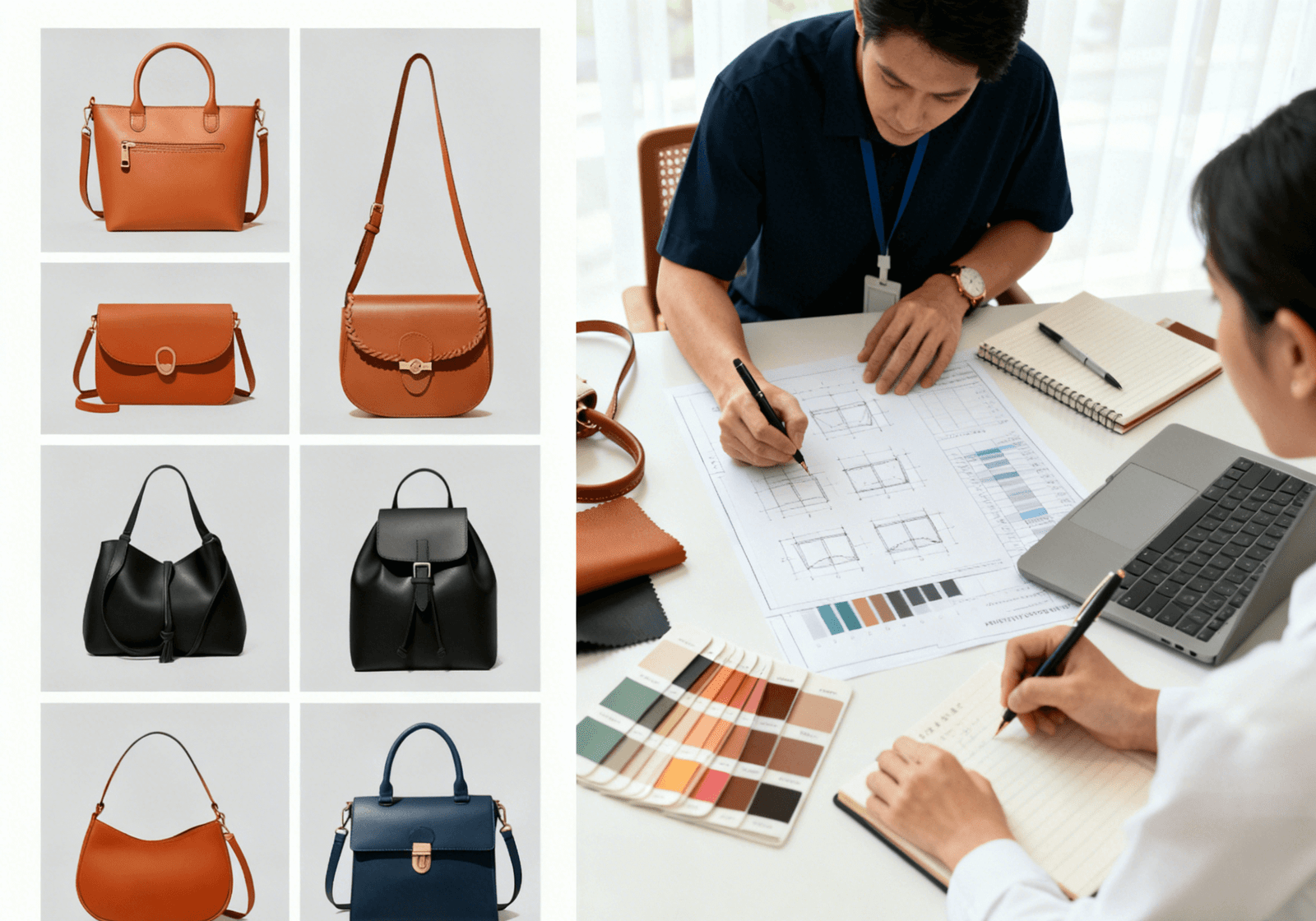
OEM Crossbody Bag Manufacturing Process Explained
Understanding the OEM crossbody bag manufacturing helps brands estimate timelines, responsibilities, and potential risk .
Step-by-Step OEM Manufacturing Flow
Table 3: OEM Crossbody Bag Production Process
| Step | Description | Brand Involvement |
|---|---|---|
| Design confirmation | Specifications & materials | High |
| Make Sample | Test sample quality | High |
| Sample revision | Adjustments & testing | Medium |
| Bulk production | Mass manufacturing | Low |
| Quality inspection | Pre-shipment QC | Medium |
| Packing & shipping | Final delivery | Low |
The "Golden Sample" Trap: Why Bulk Quality Can Slip
We’ve all seen it: the sample arrives and it’s flawless. But when the first shipment of 500 bags lands, the stitching is inconsistent or the edge paint feels rushed. This happens when a factory uses their ‘master crafters’ for development but moves to a high-speed assembly line for the actual order.
To protect your brand, don’t just approve the sample—approve the process. Make sure your manufacturer commits to using the same grade of hardware and the same structural reinforcements across the entire production run, not just the one sent to your office.
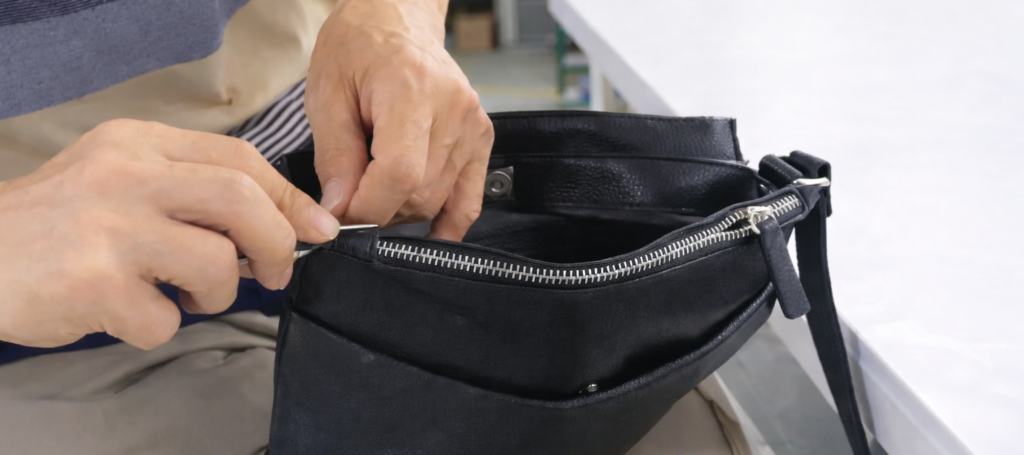
Key control points during sampling include:
- Stitch density and alignment
- Strap length and comfort
- Edge painting or folding quality
- Logo clarity and placement
- The zipper if used smooth
Clear feedback at this stage significantly reduces downstream risks.
Production Timeline: What Brands Should Know
A typical OEM crossbody bag project follows this timeline:
- Discussed and Confirm design
- Sample time : 7–14 days
- Sample revisions: 5–10 days (if first sample is good then will no need this step)
- Bulk production: 25–45 days
- Quality inspection & packing: 5–7 days
Brands working with seasonal launches should plan well in advance to avoid rushed production.
Quality Control in Our Custom Crossbody Bag Manufacturing
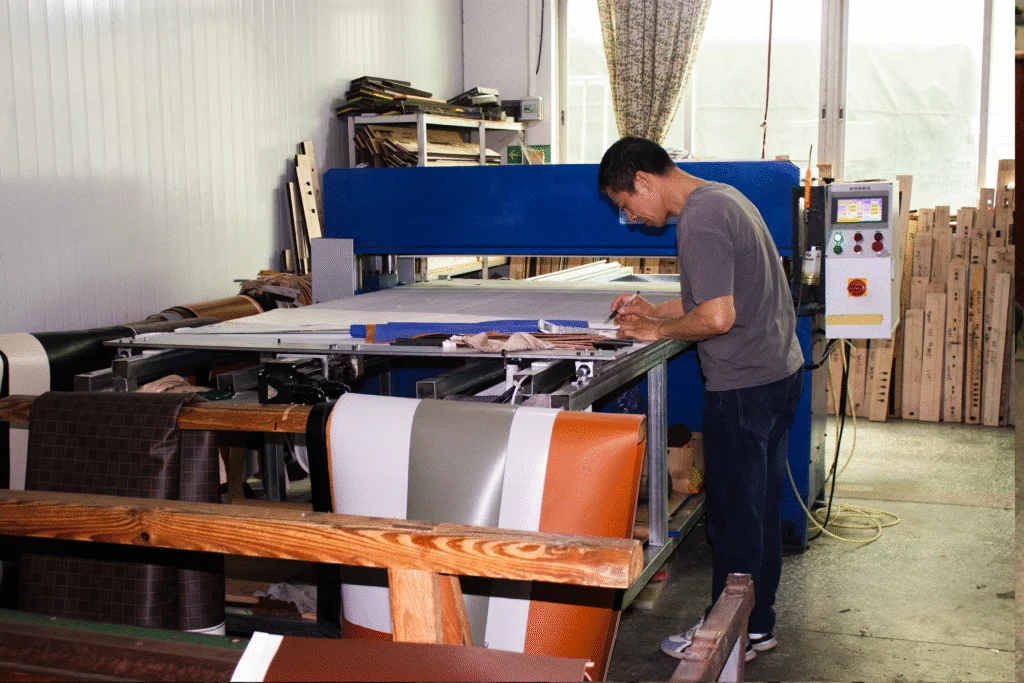
Quality control is not a single inspection—it is an ongoing process integrated throughout the entire production process.
Key Quality Control Stages
- Incoming material inspection
- In-line production checks
- Final inspection before shipment
Brands should confirm whether suppliers follow AQL standards or equivalent quality systems.
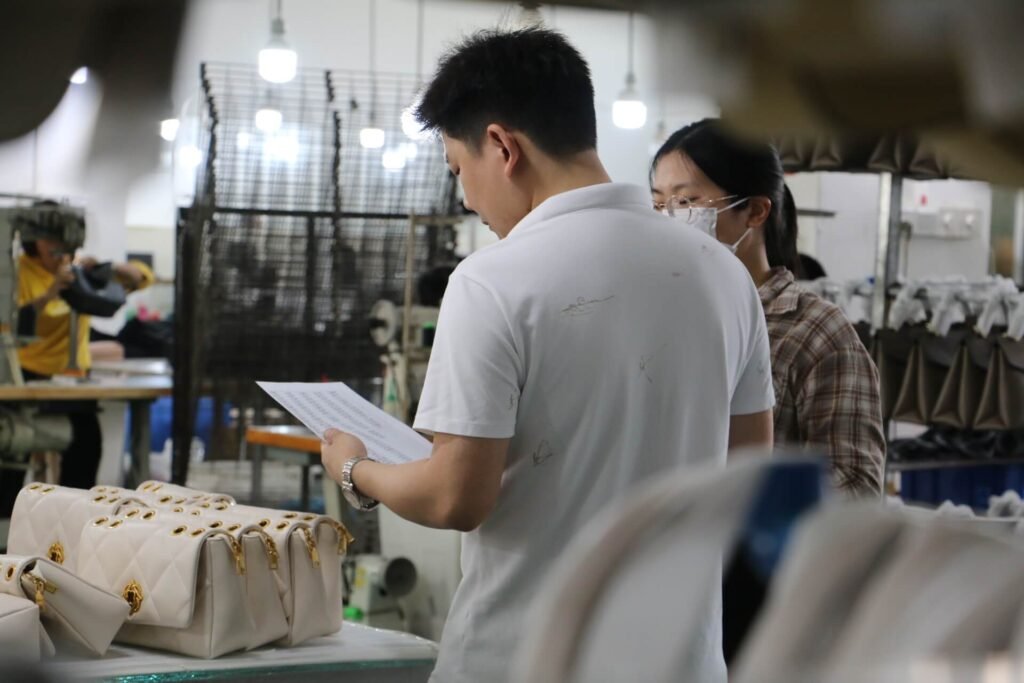
Beyond the Sample: The Unexpected Risks of Moving to Bulk Production
Production risks are usually predictable and controllable if brands understand what aspects need to be controlled.
Common issues include:
- Color not the same across batches
- Hardware corrosion after use
- Packaging damage during shipment
Most of these risks can be minimized through clear specifications, reasonable MOQs, and proper QC planning.
The Horse Before the Cart: Why Manufacturing Knowledge Must Precede Supplier Selection
Most brands start their journey by scrolling through supplier directories, looking for the “best” factory. But here’s the reality: you can’t effectively vet a partner for a language you don’t speak. Choosing a supplier before understanding the manufacturing process is like hiring a lead developer when you’ve never seen a line of code—you’re essentially guessing.
When you prioritize production literacy, you shift the dynamic. You move from being a passive buyer to a strategic partner because you can finally distinguish between a “related” decision and a “distinct” one:
Understanding the Process helps you define what is technically and financially reasonable.
Supplier Selection then becomes about finding the specific team that can reliably execute those requirements.
Without this foundation, price becomes your only metric—a shortcut that almost always leads to costly mid-production headaches. By putting the process first, you ensure your selection is based on technical alignment rather than just a persuasive sales pitch.
For guidance on evaluating OEM partners, you may also find this article useful:
👉 Custom Crossbody Bag Manufacturer: How Brands Choose the Right OEM & ODM Partner
Explore Custom Crossbody Bag Manufacturing Options
If you are developing a private label or custom leather crossbody bag production, understanding the manufacturing process will help you communicate more effectively with suppliers and make informed purchasing decisions.
You can learn more about our crossbody bag manufacturing solutions here:
The Final Checklist: 5 Things to Verify Before Paying Your Deposit
Before you wire that first payment, ensure these five pillars are locked down in writing:
Confirm “Golden Sample” Standards: Explicitly state that bulk production must match the approved sample’s hardware grade, stitching density, and edge paint quality.
Lock Down the “All-In” Landed Cost: Ensure your quote includes molds, packaging, and any material wastage surcharges.
Define a Milestone Schedule: Don’t just set a delivery date; set dates for material arrival, production start, and final QC.
Agree on QC Protocols: Define your Acceptable Quality Level (AQL) and agree on the specific remedies for defective units.
Clarify Material Substitution Policies: Ensure no material changes—however minor—can be made without your written consent.
FAQ: Custom Crossbody Bag Manufacturing
MOQ usually ranges from 100 to 500 pieces depending on materials, structure, and hardware customization.
Yes. OEM manufacturing supports full customization of materials, structure, hardware, and logo.
Most styles sample about 7-14days ,production time take 25-45 days after comfirm sample details .
ODM is better forquick market testing, while OEM offers greater control for established brands.
Final Thoughts
Custom crossbody bag manuacturing is all about finding the sweet spot between bold design, budget management, and production reality. Brands that have a firm grasp on MOQs and material durability are much better positioned to build stable, scalable product lines.
When you understand the ‘how’ behind the manufacturing before picking a partner, you’re not just buying a product—you’re reducing risk and making smarter, more confident business decisions.
Ready to Turn Your Concept into a Scalable Reality
Navigating the complexities of custom crossbody bag manufacturing shouldn’t be a guessing game. Whether you’re struggling with high MOQs or looking to upgrade your production quality for the US and European markets, our team is here to help.
[Get a Detailed Manufacturing Consultation] Contact us today for a technical review of your design and a transparent breakdown of production costs.